Most People Don’t Know They Have High Blood Pressure Until It’s Too Late
High blood pressure, also known as hypertension, is one of the most common health conditions worldwide. What makes it dangerous is that it often develops silently. Many people feel perfectly fine for years while high blood pressure slowly damages their heart, brain, kidneys, and blood vessels.
As a Physician in Lucknow, I frequently meet patients who come to the clinic with headaches, fatigue, or dizziness, only to discover that uncontrolled blood pressure is the underlying cause.
The good news is that your body may give you warning signs before serious complications occur. Recognizing these symptoms early can help you seek treatment and protect your long-term health.
What Is High Blood Pressure?
Blood pressure is the force of blood pushing against the walls of your arteries.
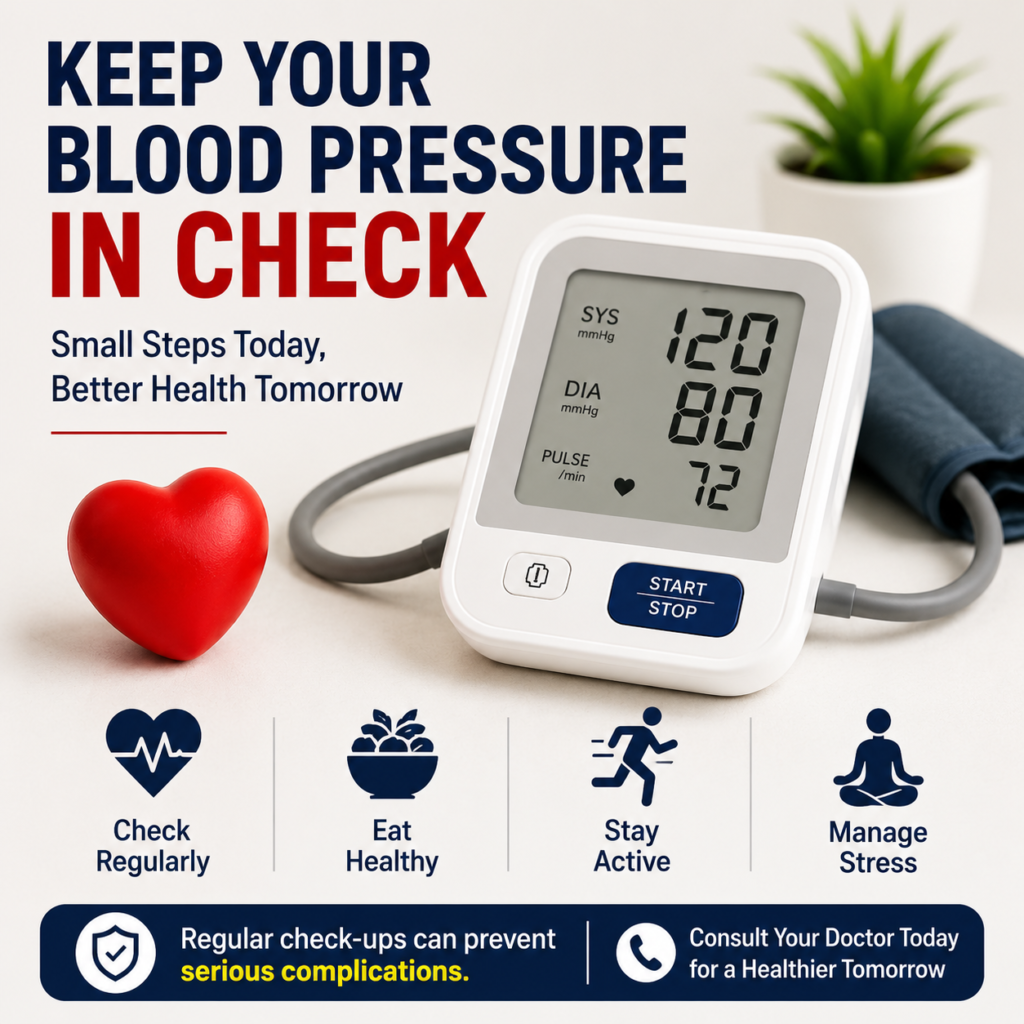
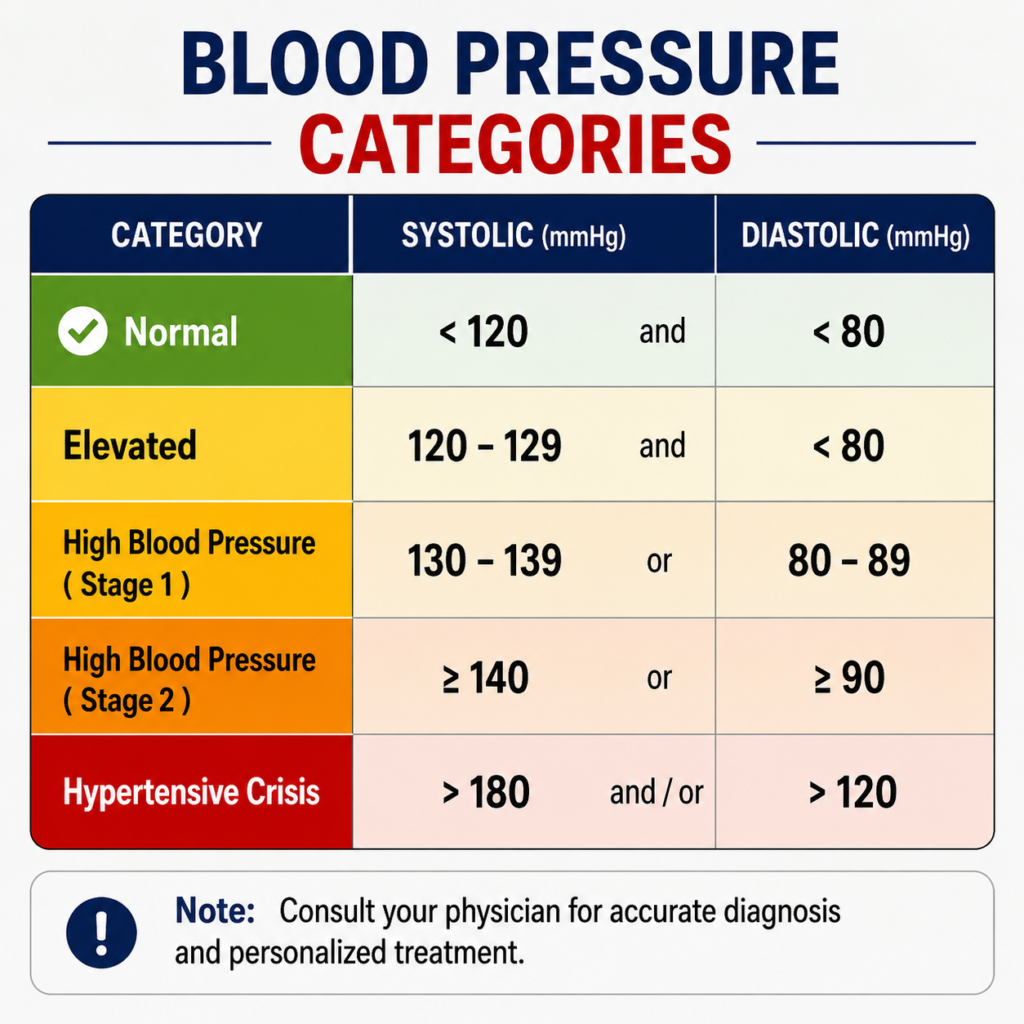
A normal blood pressure reading is generally below 120/80 mmHg.
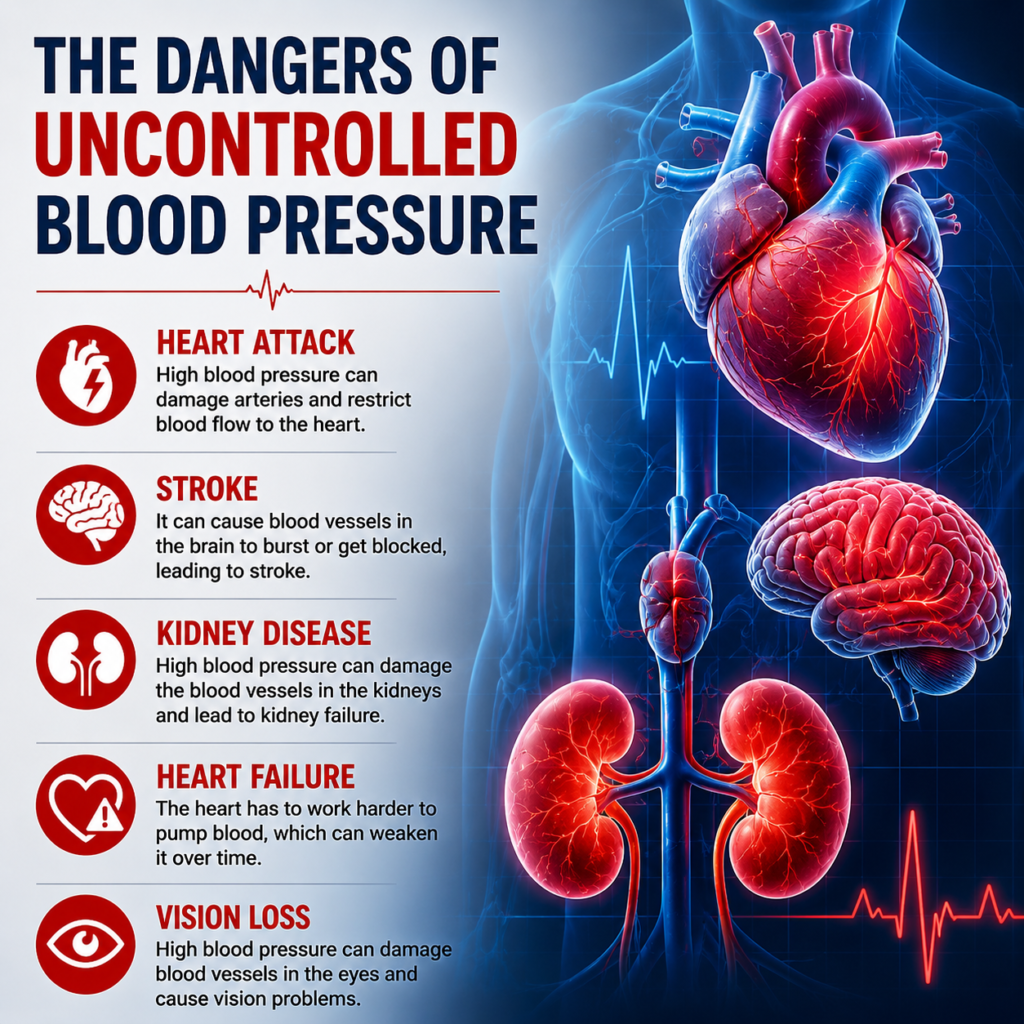
When blood pressure remains consistently elevated, it increases the risk of:
- Heart attack
- Stroke
- Kidney disease
- Vision problems
- Heart failure
According to the World Health Organization (WHO), hypertension is one of the leading causes of premature death worldwide.
1. Frequent Headaches
Everyone experiences headaches occasionally.
However, recurring headaches, especially in the morning, may sometimes be associated with elevated blood pressure.
While headaches alone do not confirm hypertension, persistent or unexplained headaches should not be ignored, particularly if you have other risk factors such as obesity, Diabetes, or a family history of high blood pressure.
2. Dizziness or Feeling Lightheaded
Do you often feel dizzy for no obvious reason?
Some people with uncontrolled blood pressure experience:
- Lightheadedness
- Feeling off-balance
- Sudden dizziness
Although dizziness can occur for many reasons, it may sometimes be linked to cardiovascular health and should be evaluated if it happens frequently.
3. Shortness of Breath
If climbing stairs or performing simple daily activities leaves you unusually breathless, it may be time to investigate further.
High blood pressure can place extra strain on the heart and circulatory system, affecting how efficiently oxygen is delivered throughout the body.
Shortness of breath should always be discussed with a healthcare professional.
4. Constant Fatigue
Many people assume tiredness is simply a result of age, work pressure, or poor sleep.
However, persistent fatigue can sometimes be linked to underlying medical conditions, including hypertension.
You may also find our article on Why Do Some People Feel Tired All the Time? helpful.
5. Blurred Vision
Your eyes can reveal important clues about your overall health.
When blood pressure remains high for a long period, it can affect the small blood vessels that supply the eyes.
Some people may experience:
- Blurred vision
- Difficulty focusing
- Temporary visual disturbances
Regular eye examinations can help identify changes associated with both hypertension and Diabetes.
6. Chest Pain or Chest Discomfort
Chest pain should never be ignored.
While chest discomfort may have several causes, high blood pressure increases the risk of heart disease and cardiovascular complications.
Seek immediate medical attention if chest pain is severe, sudden, or accompanied by shortness of breath.
7. Nosebleeds
Although not one of the most common symptoms, recurring nosebleeds can sometimes occur in people with significantly elevated blood pressure.
If nosebleeds happen frequently or are accompanied by headaches and dizziness, a medical evaluation may be necessary.
Who Is at Risk of High Blood Pressure?
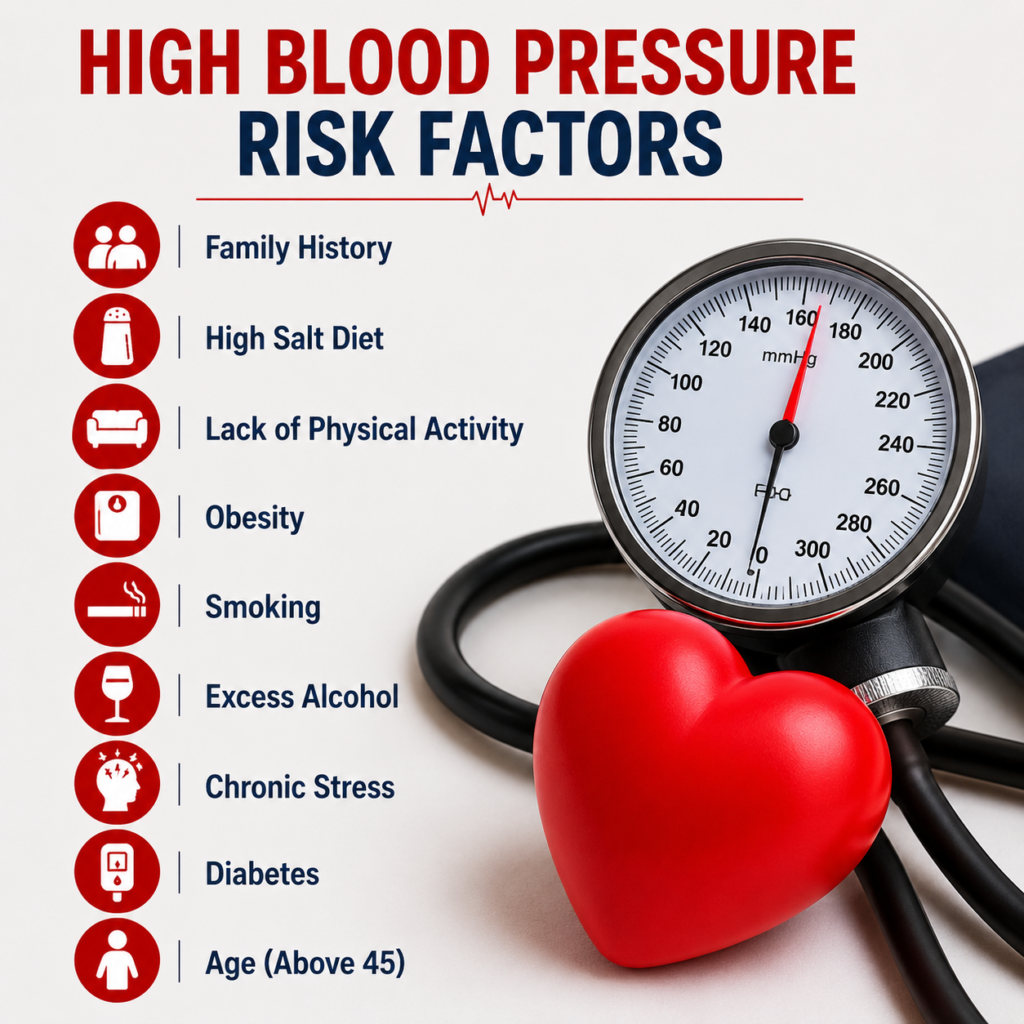
Several factors increase the risk of developing hypertension, including:
- Family history
- Excess weight
- Diabetes
- High salt intake
- Physical inactivity
- Smoking
- Excessive alcohol consumption
- Chronic stress
People living with Diabetes should pay particular attention to their blood pressure, as both conditions can increase the risk of heart and kidney disease.
You may also want to read:
👉 Why Is My Fasting Blood Sugar High in the Morning?
Can Lifestyle Changes Help Control Blood Pressure?
In many cases, yes.
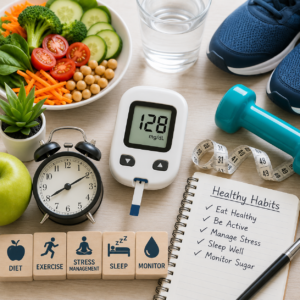
Healthy habits can play a major role in managing blood pressure levels.
Simple steps include:
✔ Walking regularly
✔ Maintaining a healthy weight
✔ Reducing salt intake
✔ Eating more fruits and vegetables
✔ Managing stress
✔ Getting adequate sleep
✔ Avoiding tobacco products
The American Heart Association (AHA) recommends combining lifestyle changes with medical treatment when necessary.
Why Regular Health Check-Ups Matter
One of the biggest problems with high blood pressure is that many people do not know they have it.
Routine health check-ups can help detect:
- Hypertension
- Prediabetes
- Diabetes
- High cholesterol
- Cardiovascular risk factors
Early diagnosis often means simpler treatment and better long-term outcomes.
A Doctor’s Perspective
Patients searching for the Best Physician in Lucknow often visit a clinic because of symptoms such as headaches, fatigue, dizziness, or unexplained health concerns.
In many cases, these symptoms are not caused by a serious illness. However, they can sometimes indicate conditions such as hypertension, Diabetes, thyroid disorders, or nutritional deficiencies.
As a Physician and Diabetes Specialist in Lucknow, my advice is simple: do not wait for symptoms to become severe. Regular monitoring and preventive healthcare can help identify problems early and reduce the risk of complications.
When Should You Consult a Doctor?
You should consider consulting a physician if:
- Your blood pressure readings remain consistently high
- You experience recurring headaches
- You notice dizziness or blurred vision
- You feel unusually tired for several weeks
- You have Diabetes along with elevated blood pressure
Seeking medical advice early can help prevent long-term health complications.
Final Thoughts
High blood pressure often develops silently, but your body may still provide warning signs.
Frequent headaches, dizziness, fatigue, blurred vision, shortness of breath, chest discomfort, and recurring nosebleeds should not be ignored.
The sooner hypertension is identified and managed, the better your chances of protecting your heart, kidneys, brain, and overall health.
If you have concerns about your blood pressure, consult an experienced Physician in Lucknow for a proper evaluation and personalized guidance.