Frequent urination is something many people experience occasionally, especially after drinking plenty of fluids. However, if you find yourself visiting the washroom much more often than usual without an obvious reason, it could be a sign of an underlying health condition.
As a physician in Lucknow, I often meet patients who ignore this symptom, assuming it is temporary. In reality, frequent urination can be associated with diabetes, urinary tract infections, kidney problems, or other medical conditions that require timely evaluation.
If you are searching for the Best Physician in Lucknow for persistent urinary symptoms, understanding the possible causes is the first step toward proper diagnosis and treatment.
What Are the Common Frequent Urination Causes?
Frequent urination means needing to pass urine more often than your normal routine. It may occur during the day, at night (nocturia), or both. While increased fluid intake can temporarily increase urination, persistent symptoms should not be ignored.
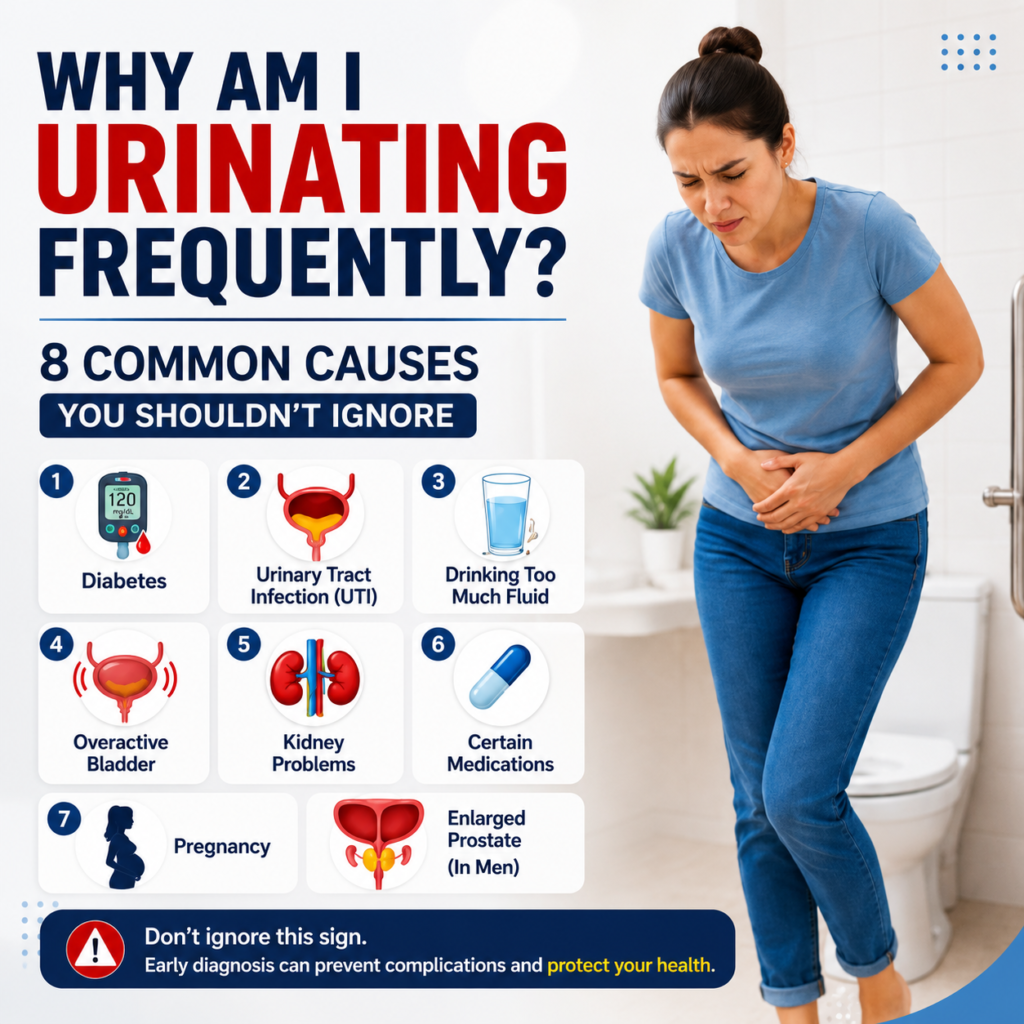
8 Common Causes of Frequent Urination
1. Diabetes
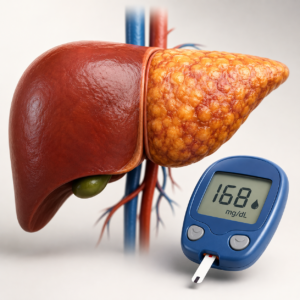
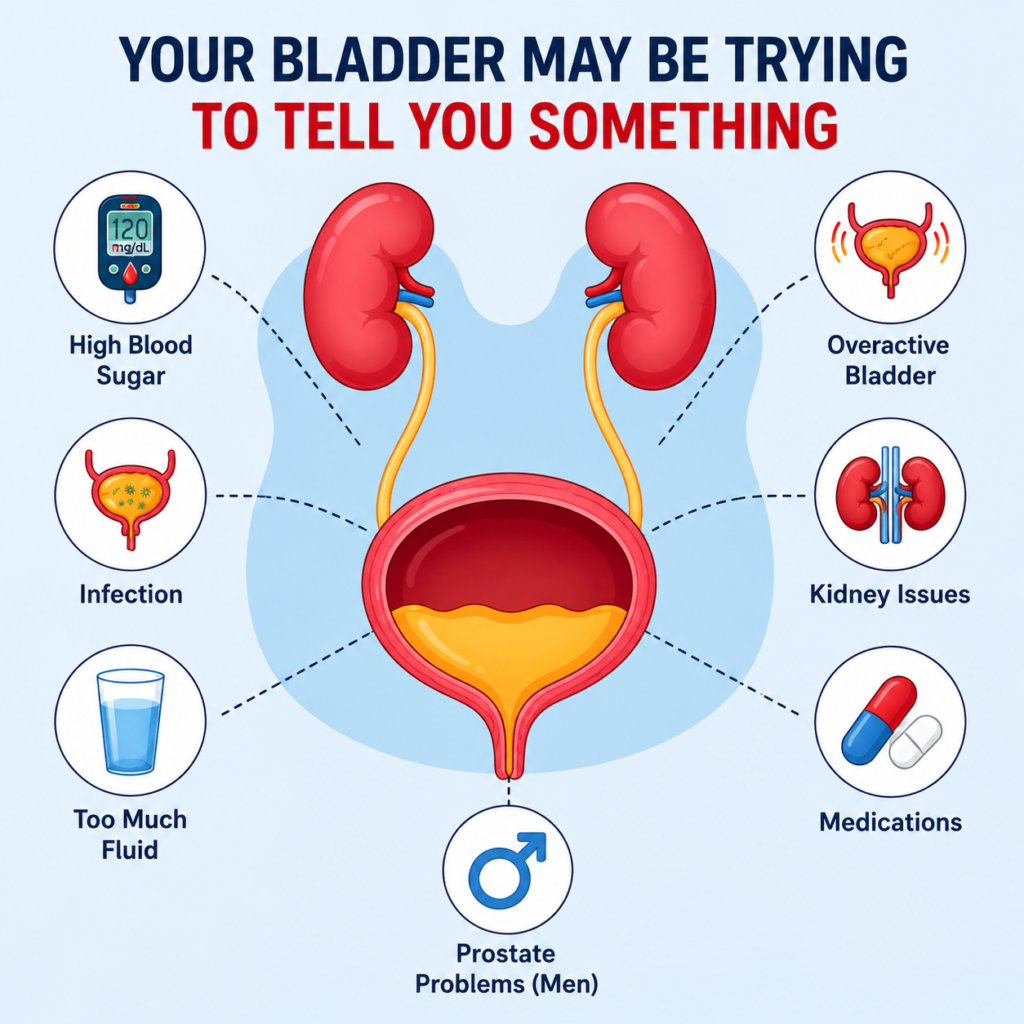
One of the most common causes of frequent urination is diabetes. High blood sugar levels cause the kidneys to work harder to remove excess glucose from the body, leading to increased urine production.
Related Reading:
👉 Why Is My Fasting Blood Sugar High in the Morning?
https://drdileepverma.com/why-is-my-fasting-blood-sugar-high-in-the-morning/
2. Urinary Tract Infection (UTI)
A urinary tract infection can irritate the bladder, causing frequent urination along with burning during urination, pelvic discomfort, or cloudy urine.
Prompt treatment helps prevent complications.
3. Drinking Too Much Fluid
Consuming excessive amounts of water, tea, coffee, or caffeinated beverages can naturally increase the frequency of urination.
Moderation is important, especially if symptoms are persistent.
4. Overactive Bladder
An overactive bladder causes a sudden urge to urinate, even when the bladder is not full. This condition can affect daily activities and disturb sleep.
5. Kidney Problems
Kidney infections or other kidney disorders may also cause frequent urination, often accompanied by back pain, fever, or swelling in the body.
Early diagnosis is important to protect kidney function.
6. Certain Medications
Diuretics (water pills), commonly prescribed for high blood pressure or heart conditions, increase urine production as part of their intended effect.
Never stop prescribed medications without consulting your physician.
7. Pregnancy
During pregnancy, hormonal changes and pressure on the bladder can increase the need to urinate. While this is usually normal, pain or fever should be evaluated by a healthcare professional.
8. Enlarged Prostate (In Men)
In older men, an enlarged prostate can press against the urethra, making it difficult to empty the bladder completely and causing frequent urination, especially at night.
When Should You Consult a Physician?
You should seek medical advice if frequent urination is accompanied by:
- Excessive thirst
- Burning while urinating
- Blood in the urine
- Fever
- Back or side pain
- Sudden weight loss
- Difficulty controlling urination
As a physician in Lucknow, I advise patients not to ignore persistent urinary symptoms. Early evaluation can help identify conditions such as diabetes, urinary tract infections, kidney disease, or prostate disorders before they become more serious.
According to the National Institute of Diabetes and Digestive and Kidney Diseases (NIDDK), frequent urination can be associated with several urinary and metabolic conditions that benefit from early diagnosis.
Frequently Asked Questions
Is frequent urination always a sign of diabetes?
No. Although diabetes is a common cause, frequent urination can also result from urinary tract infections, excessive fluid intake, overactive bladder, pregnancy, or certain medications.
How many times a day is considered normal to urinate?
Most healthy adults urinate about 6 to 8 times a day, depending on fluid intake and individual health. A noticeable increase in frequency without increased fluid intake should be evaluated.
Can drinking coffee increase urination?
Yes. Caffeine acts as a mild diuretic and may increase urine production in some individuals.
When should I worry about frequent urination?
Consult a physician if frequent urination persists for several days or is associated with pain, blood in the urine, fever, unexplained weight loss, or excessive thirst.
Final Thoughts
Frequent urination may seem like a minor inconvenience, but it can sometimes be an early sign of an underlying medical condition. Identifying the cause early allows timely treatment and helps prevent complications.
If you are looking for the Best Physician in Lucknow for the evaluation of frequent urination, diabetes, urinary problems, or other lifestyle-related conditions, seeking medical advice at the right time can make a significant difference to your long-term health.