“Doctor, I Feel Fine. Could I Still Have Prediabetes?”
As a Diabetologist in Lucknow, one of the most common questions I hear from patients is…
“Doctor, I don’t have any major symptoms. How can I have Prediabetes?”
The answer often surprises them.
Prediabetes usually doesn’t appear overnight. In most cases, it develops gradually, and the early signs can be so subtle that they’re easy to ignore or blame on stress, poor sleep, aging, or a busy lifestyle.
I’ve seen many patients discover Prediabetes during a routine health check-up when they had no idea their blood sugar levels were already higher than normal.
The good news is that Prediabetes is often reversible when detected early. The challenge is recognizing the warning signs before it progresses to Type 2 Diabetes.
Let’s discuss some of the most important symptoms that should never be ignored.
What Is Prediabetes?
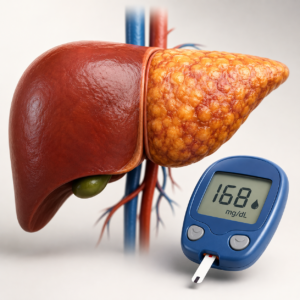
Prediabetes is a condition in which blood sugar levels are higher than normal but not high enough to be diagnosed as Type 2 Diabetes.
At this stage, the body may still produce insulin, but it is not using it efficiently. This is called insulin resistance.
Without proper lifestyle changes and medical guidance, Prediabetes can gradually progress to Type 2 Diabetes.
According to the American Diabetes Association (ADA), Prediabetes is a serious health condition that increases the risk of developing Type 2 Diabetes, heart disease, and stroke if left unmanaged
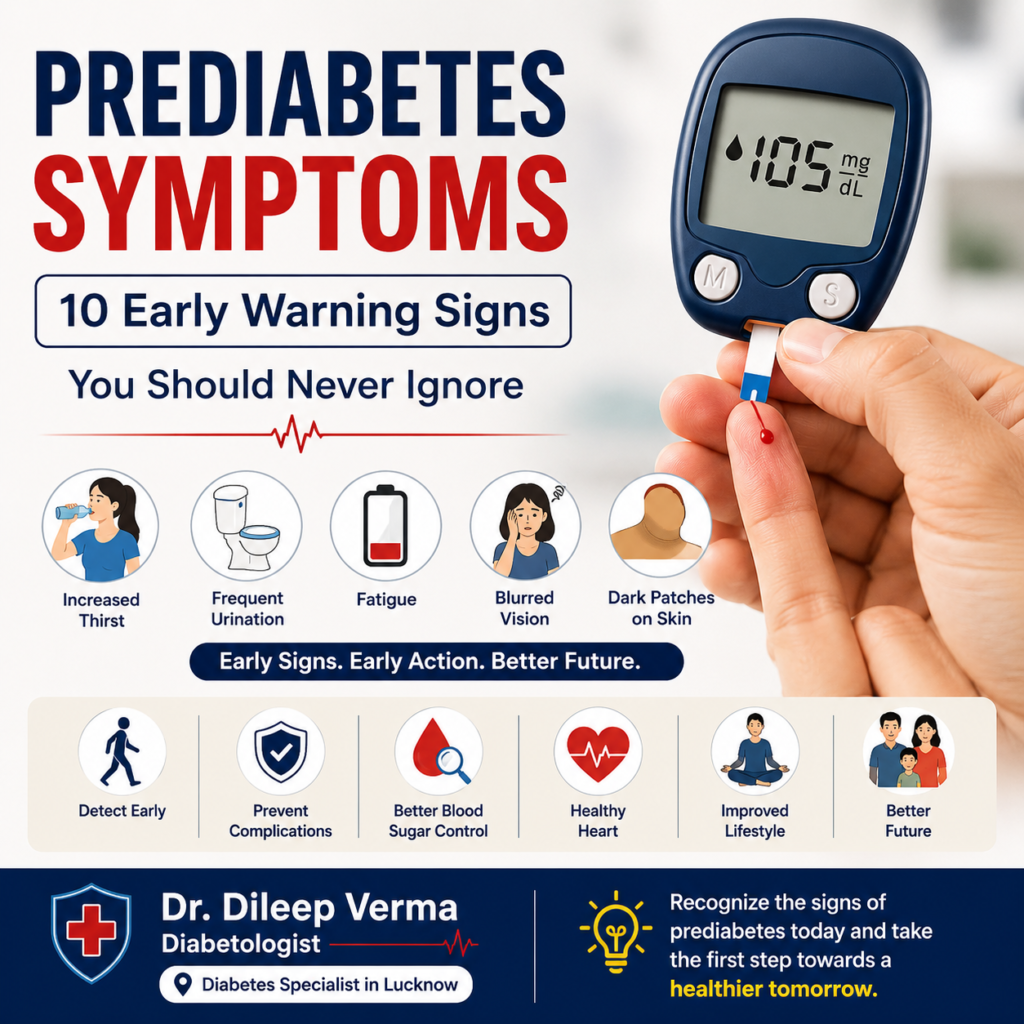
1. Increased Thirst
Do you find yourself reaching for water more often than usual?
When blood sugar levels rise, the body tries to remove excess glucose through urine. This causes fluid loss, making you feel thirsty more frequently.
While occasional thirst is normal, persistent thirst without an obvious reason deserves attention.
2. Frequent Urination
Along with increased thirst, many people notice they need to urinate more often.
Some patients tell me they start waking up multiple times during the night to use the bathroom.
This happens because the kidneys work harder to remove excess sugar from the bloodstream.
3. Constant Fatigue
One of the most overlooked symptoms of Prediabetes is ongoing tiredness.
Many people assume they’re exhausted because of work, family responsibilities, or lack of sleep.
However, when the body’s cells cannot use glucose efficiently, energy levels may decline even when you’re eating normally.
If you’re constantly feeling drained without a clear explanation, it’s worth getting your blood sugar checked.
4. Increased Hunger
Have you noticed feeling hungry shortly after eating?
Insulin resistance can interfere with how glucose enters the body’s cells.
As a result, your cells may not receive the energy they need, causing your body to signal hunger more frequently.
5. Blurred Vision
Fluctuating blood sugar levels can affect the lenses of the eyes.
Some people experience:
- Blurred vision
- Difficulty focusing
- Temporary changes in eyesight
These symptoms may come and go, making them easy to overlook.
Persistent vision changes should always be evaluated by a healthcare professional.
6. Dark Patches on the Skin
This is one of the most important signs I encourage patients not to ignore.
Dark, velvety patches of skin can appear around:
- The neck
- Underarms
- Elbows
- Groin area
This condition is called Acanthosis Nigricans and is often associated with insulin resistance and Prediabetes.
7. Slow-Healing Cuts and Wounds
Have you noticed that minor cuts, bruises, or scratches seem to take longer to heal?
Elevated blood sugar can affect circulation and interfere with the body’s natural healing processes.
While more common in Diabetes, slow wound healing can sometimes begin during the Prediabetes stage.
8. Tingling or Numbness in Hands and Feet
Some people experience occasional tingling, burning sensations, or numbness in their hands and feet.
Although these symptoms can have several causes, they may sometimes indicate early nerve-related changes associated with rising blood sugar levels.
9. Difficulty Losing Weight
Many patients with Prediabetes tell me:
“Doctor, I’m trying to lose weight, but nothing seems to work.”
Insulin resistance can make weight management more difficult.
Despite dieting or exercising, some individuals continue to struggle with excess body weight, especially around the abdomen.
10. A Family History of Diabetes
While not technically a symptom, family history is one of the strongest warning signs.
If your parents, siblings, or close relatives have Type 2 Diabetes, your risk of developing Prediabetes is significantly higher.
This makes regular screening even more important.
A Note from Dr. Dileep Verma
In my practice as a Diabetes Specialist in Lucknow, one misconception I frequently encounter is that Prediabetes always causes obvious symptoms.
In reality, some people experience several warning signs, while others notice none at all.
That’s why I strongly recommend routine screening for individuals who are overweight, physically inactive, or have a family history of Diabetes.
A simple blood test today can help prevent serious health problems tomorrow.
Who Is at Higher Risk of Prediabetes?
You may have an increased risk if you:
- Are overweight or obese
- Have a sedentary lifestyle
- Have high blood pressure
- Have abnormal cholesterol levels
- Have a family history of Diabetes
- Had gestational diabetes during pregnancy
- Are above the age of 35
The more risk factors you have, the more important regular screening becomes.
How Is Prediabetes Diagnosed?
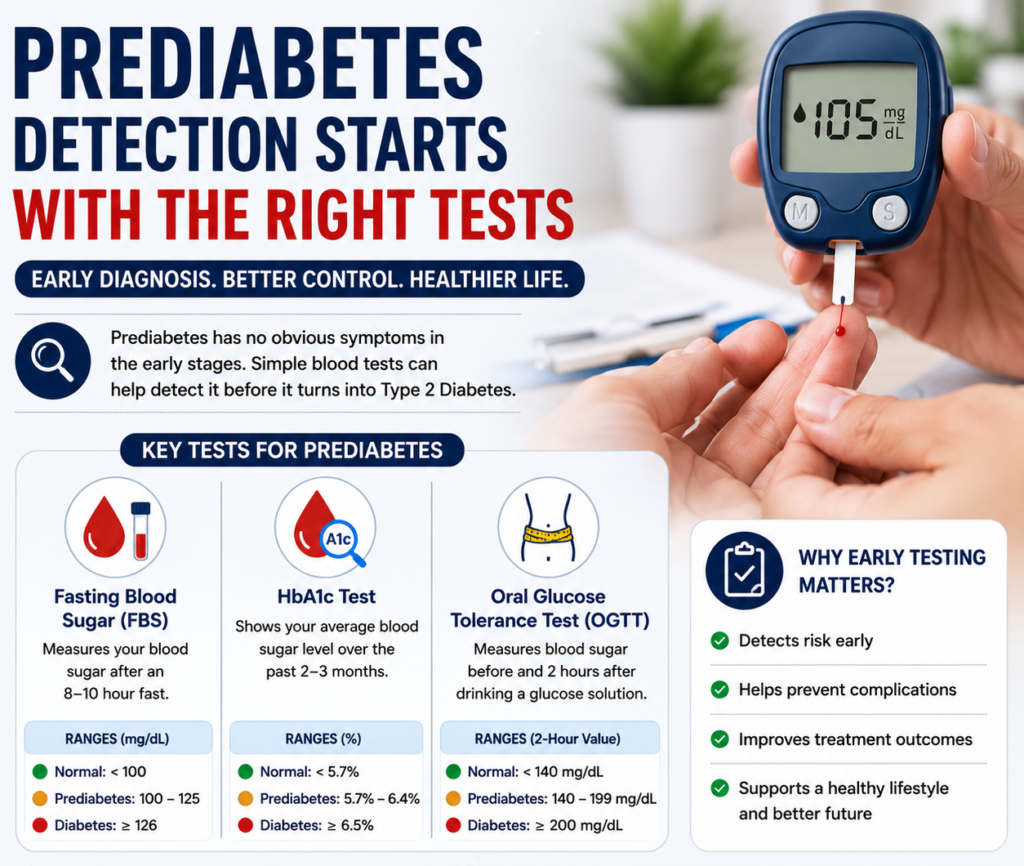
Symptoms alone cannot confirm Prediabetes.
Your doctor may recommend:
HbA1c Test
This test measures your average blood sugar levels over the previous 2–3 months.
Fasting Blood Sugar Test
Measures blood glucose after fasting.
Oral Glucose Tolerance Test
Evaluates how your body processes glucose after consuming a glucose drink.
If you’d like to understand HbA1c in more detail, read our guide:
Understanding HbA1c: What It Means and Why Every Diabetic Patient Should Track It (Internal Link)
Can Prediabetes Be Reversed or Can Prediabetes Be Reversed Naturally??
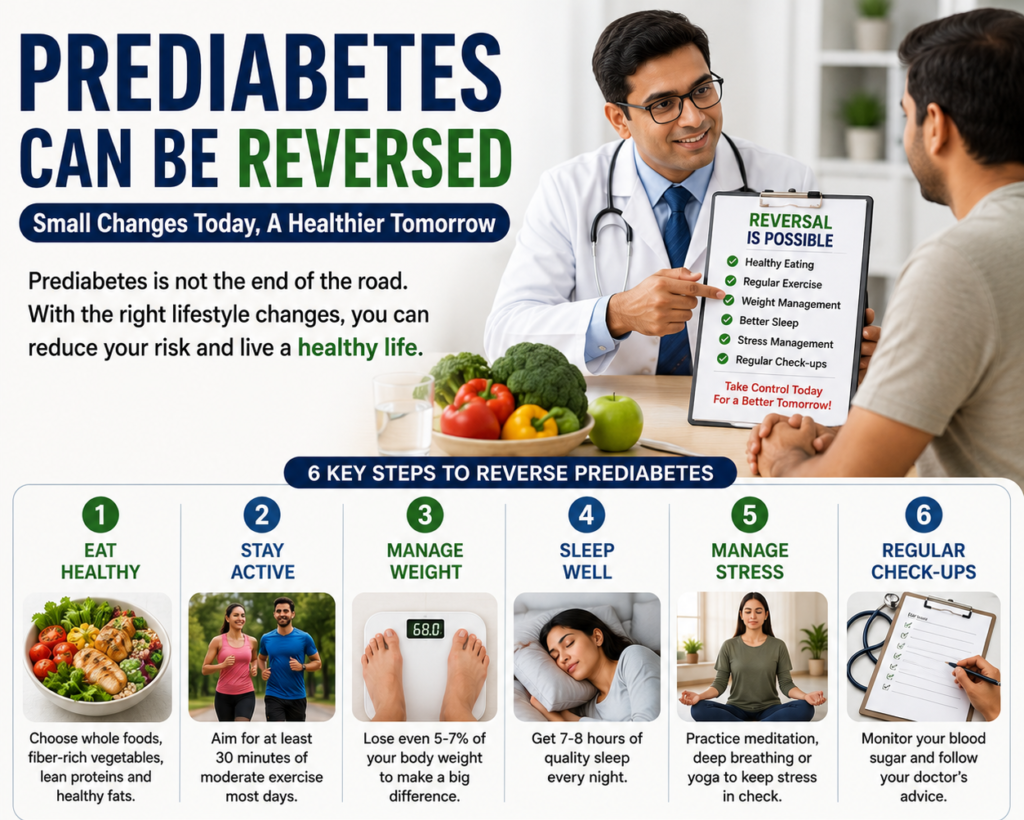
In many cases, yes.
I’ve seen patients significantly improve their blood sugar levels by making consistent lifestyle changes.
Some of the most effective steps include:
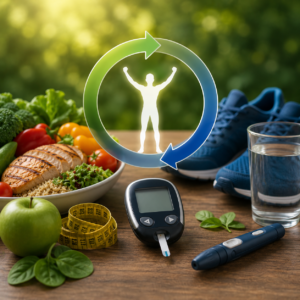
- Maintaining a healthy weight
- Following a balanced diet
- Exercising regularly
- Improving sleep quality
- Managing stress
- Attending regular health check-ups
The earlier these changes begin, the better the outcome.
The Centers for Disease Control and Prevention (CDC) reports that healthy lifestyle changes, including weight management and regular physical activity, can significantly reduce the risk of progressing from Prediabetes to Type 2 Diabetes.
When Should You See a Doctor?
If you have noticed symptoms such as:
- Increased thirst
- Frequent urination
- Persistent fatigue
- Blurred vision
- Dark patches on the skin
or if you have a strong family history of Diabetes, don’t wait for symptoms to worsen.
Early testing can provide valuable answers and help prevent future complications.
My Advice to Patients
Prediabetes should not be viewed as bad news.
It should be viewed as a warning sign and, more importantly, an opportunity.
When detected early, simple lifestyle changes can significantly reduce the risk of developing Type 2 Diabetes.
If you are concerned about your blood sugar levels or have noticed any of the symptoms discussed above, consult a qualified Diabetes Doctor in Lucknow for proper evaluation and personalized guidance.
Early action today can make a meaningful difference to your long-term health.