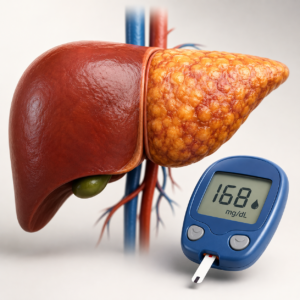
Understanding High Morning Blood Sugar Levels
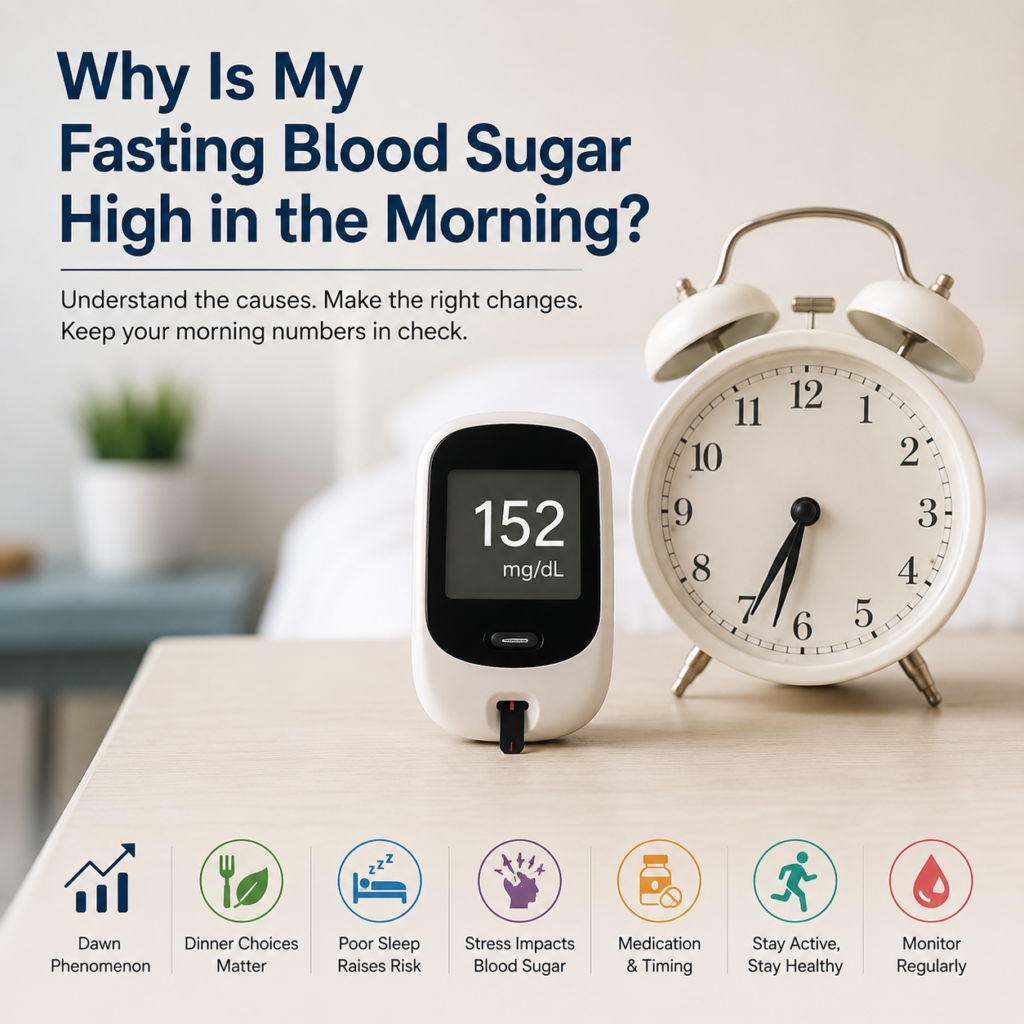
You check your blood sugar first thing in the morning, expecting it to be within your target range. Instead, the reading is higher than expected.
If this has happened to you, you’re not alone.
As a Physician and Diabetes Specialist in Lucknow, one of the most common questions I hear from patients is:
“Doctor, why is my fasting blood sugar high even though I didn’t eat anything overnight?”
The answer is not always straightforward. Several factors can cause high fasting blood sugar, including natural hormonal changes, medication timing, poor sleep, stress, and dietary habits.
Understanding the reason behind elevated morning blood sugar can help you manage Diabetes more effectively and prevent long-term complications.
What Is Fasting Blood Sugar?
Fasting blood sugar refers to the glucose level measured after at least 8 hours without eating or drinking anything except water.
For most adults:
- Normal: Below 100 mg/dL
- Prediabetes: 100–125 mg/dL
- Diabetes: 126 mg/dL or higher (on more than one occasion)
Consistently high fasting blood sugar may indicate that your Diabetes management plan needs adjustment.
The Dawn Phenomenon: A Common Cause
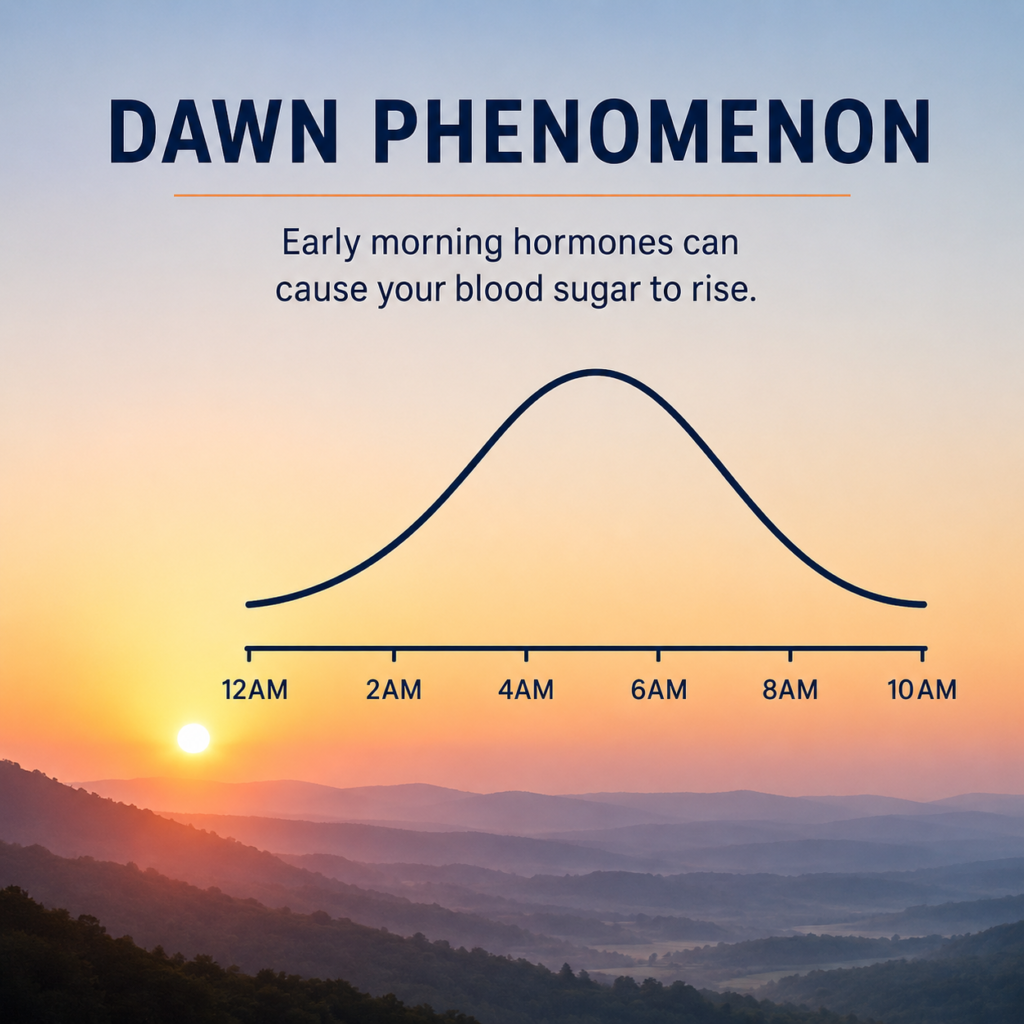
One of the most common reasons for high morning blood sugar is the Dawn Phenomenon.
In the early morning hours, usually between 4 a.m. and 8 a.m., the body releases hormones such as:
- Cortisol
- Growth Hormone
- Adrenaline
- Glucagon
These hormones signal the liver to release stored glucose into the bloodstream.
In people without Diabetes, insulin balances this process. However, in individuals with Diabetes or insulin resistance, blood sugar levels may rise significantly.
This is why some people wake up with unexpectedly high glucose readings.
Eating Too Many Carbohydrates at Dinner
Your evening meal can influence your morning blood sugar levels.
Large portions of:
- White rice
- Bread
- Sweets
- Sugary beverages
- Processed snacks
may contribute to elevated glucose levels the next morning.
Choosing balanced meals with adequate protein and fiber may help support better overnight blood sugar control.
You may also find our article on a Protein Diet for Diabetic Patients helpful.
Poor Sleep Can Affect Blood Sugar

Sleep plays a significant role in glucose regulation.
Poor sleep quality or insufficient sleep may:
- Increase insulin resistance
- Raise stress hormone levels
- Affect appetite regulation
- Contribute to higher morning glucose levels
Several studies have shown a strong connection between sleep quality and blood sugar control.
Stress and Elevated Morning Blood Sugar
Stress affects more than your mood.
When you are stressed, the body releases hormones that can increase blood sugar levels.
Common sources of stress include:
- Work pressure
- Financial concerns
- Illness
- Emotional challenges
Chronic stress can make Diabetes management more difficult and contribute to persistently high fasting blood sugar.
Medication Timing May Be a Factor
Sometimes the issue is not the medication itself but when it is taken.
Factors that may influence morning glucose include:
- Missing medication doses
- Incorrect timing
- Insufficient dosage
- Progression of Diabetes
If your fasting blood sugar remains elevated despite taking medication regularly, discuss this with your healthcare provider rather than adjusting medicines on your own.
You may also find this article useful:
https://drdileepverma.com/why-is-my-blood-sugar-high-even-after-taking-diabetes-medicines/
Lack of Physical Activity
Physical activity helps the body use glucose more efficiently.
A sedentary lifestyle can contribute to:
- Insulin resistance
- Weight gain
- Poor blood sugar control
Simple activities such as walking after meals can make a meaningful difference in overall glucose management.
The Role of HbA1c Testing
A single fasting blood sugar reading provides useful information, but it does not tell the whole story.
The HbA1c test reflects your average blood sugar levels over the previous 2–3 months.
This test helps assess long-term glucose control and determine whether treatment adjustments may be necessary.
What Do Health Experts Say?
According to the American Diabetes Association (ADA), monitoring blood sugar patterns is an important part of Diabetes management and can help identify factors contributing to elevated glucose levels.
The Centers for Disease Control and Prevention (CDC) also emphasizes the importance of healthy eating, physical activity, weight management, and regular monitoring for maintaining healthy blood sugar levels.
When Should You See a Doctor?
Consider consulting a healthcare professional if:
- Your fasting blood sugar remains consistently high
- You experience increased thirst
- You have frequent urination
- You notice unexplained weight loss
- Your HbA1c levels are rising
- Your current treatment plan is not working as expected
Early intervention can help prevent complications and improve long-term outcomes.
A Note from Dr. Dileep Verma
Many patients searching for the Best Diabetologist in Lucknow, Best Diabetes Doctor in Lucknow, or Best Physician in Lucknow are concerned about persistently high fasting blood sugar levels.
In my clinical practice, I often find that factors such as meal timing, sleep quality, stress, physical inactivity, and insulin resistance play a significant role.
Identifying the underlying cause is essential for creating an effective and sustainable Diabetes management plan.
Final Thoughts
High fasting blood sugar in the morning does not always mean your treatment is failing.
The Dawn Phenomenon, dietary habits, poor sleep, stress, lack of physical activity, and medication-related factors can all contribute to elevated morning glucose levels.
Understanding these factors is the first step toward better blood sugar control and overall health.
If your fasting blood sugar remains consistently high, seeking professional guidance can help identify the cause and determine the most appropriate treatment strategy.
FAQs
What is a normal fasting blood sugar level?
A fasting blood sugar level below 100 mg/dL is generally considered normal.
Why is my blood sugar high in the morning but normal at night?
This may be due to the Dawn Phenomenon, where hormones released early in the morning increase blood sugar levels.
Can poor sleep increase fasting blood sugar?
Yes. Poor sleep can increase insulin resistance and contribute to higher morning glucose levels.
Can stress cause high fasting blood sugar?
Yes. Stress hormones can trigger the release of glucose into the bloodstream, leading to elevated blood sugar levels.
Should I worry about consistently high fasting blood sugar?
Yes. Persistent elevations should be evaluated by a healthcare professional to identify the underlying cause and adjust treatment if necessary.