Your Blood Sugar Is Higher Than Normal… But You Still Have Time to Act
Many people are surprised when a routine health checkup shows prediabetes.
The first question they usually ask is:
“Doctor, does this mean I already have diabetes?”
The answer is not necessarily.
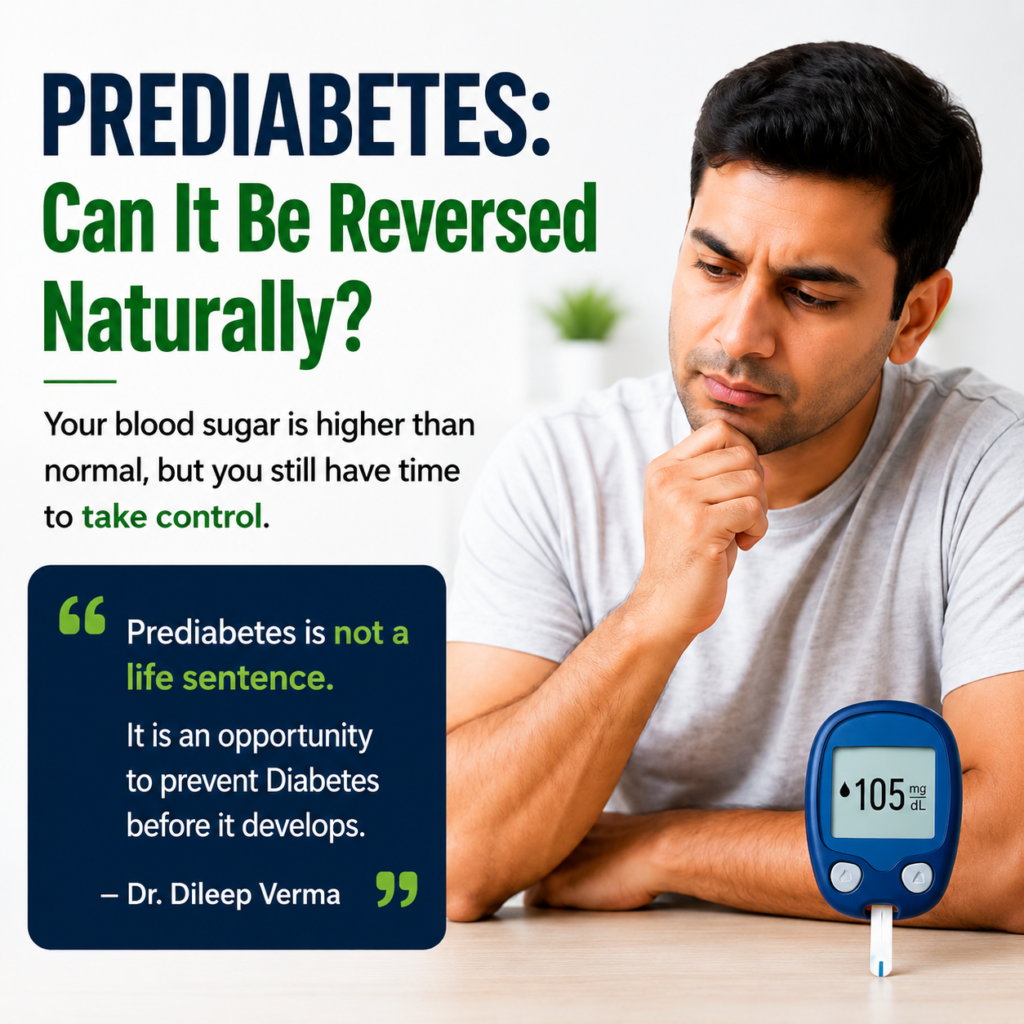
Prediabetes is a warning sign that your blood sugar levels are higher than normal, but not yet high enough to be diagnosed as Type 2 Diabetes.
The good news is that, in many cases, prediabetes can be managed and even reversed through timely lifestyle changes.
If you have recently been diagnosed with Prediabetes, consulting an experienced diabetologist in Lucknow can help you create a personalized plan to prevent Type 2 Diabetes and improve long-term health outcomes.
What Exactly Is Prediabetes?
Prediabetes occurs when the body starts having difficulty using insulin effectively.Insulin is the hormone that helps move glucose from the bloodstream into the cells for energy.When insulin becomes less effective, blood sugar levels begin to rise.At this stage, many people feel completely normal and may not experience any symptoms.That is why prediabetes often goes unnoticed until a blood test reveals the problem.
According to the American Diabetes Association (ADA), Prediabetes is a condition where blood sugar levels are higher than normal but not yet high enough to be diagnosed as Type 2 Diabetes.
Why Should You Take Prediabetes Seriously?
Many people hear the word “pre” and assume it is not a major concern.
Unfortunately, ignoring prediabetes can allow it to progress into Type 2 Diabetes over time.
Prediabetes may increase the risk of:
- Type 2 Diabetes
- Heart disease
- High blood pressure
- Stroke
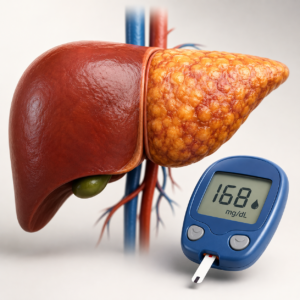
- Fatty liver disease
The earlier you take action, the better your chances of preventing future complications.
Common Risk Factors for Prediabetes
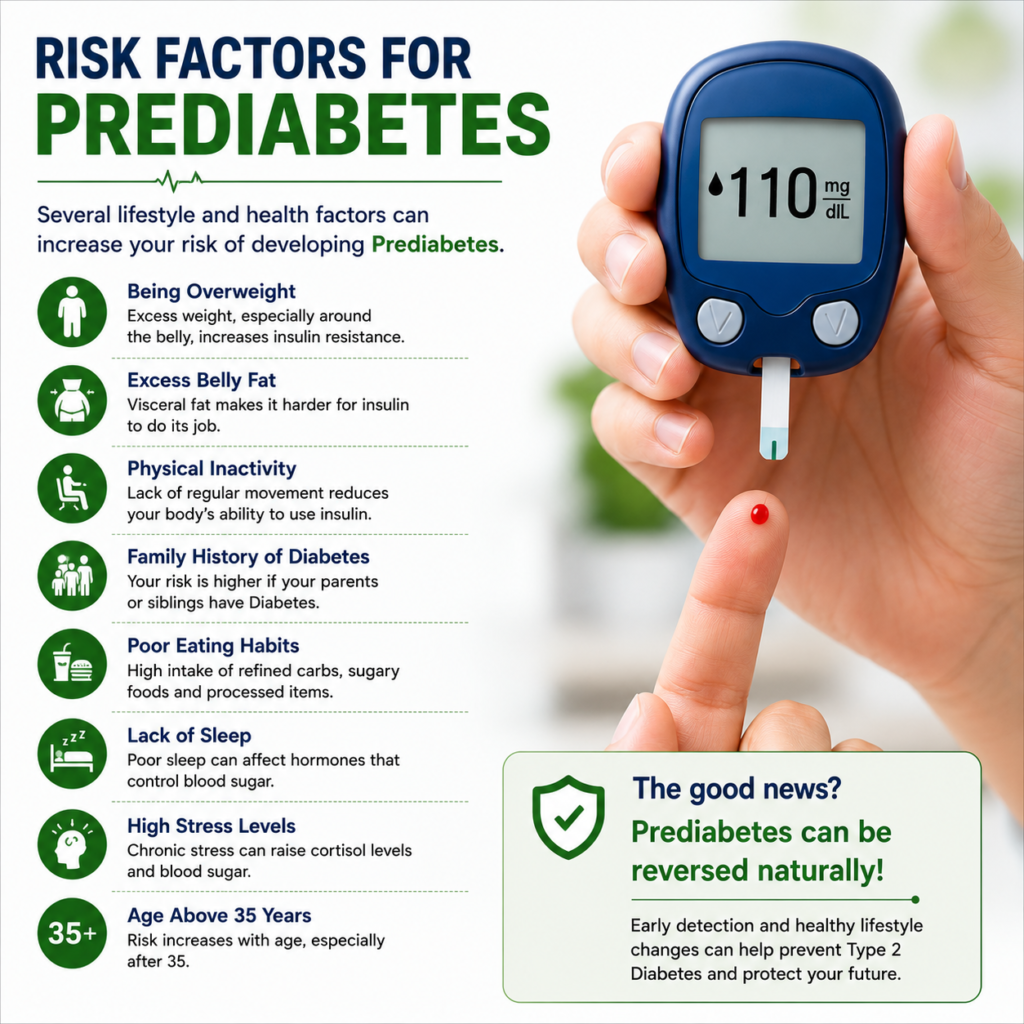
Certain lifestyle and health factors increase the risk of developing prediabetes.
These include:
- Being overweight
- Excess belly fat
- Physical inactivity
- Family history of diabetes
- Poor eating habits
- Lack of sleep
- High stress levels
- Age above 35 years
However, many younger adults are now developing prediabetes because of modern lifestyle patterns that involve long sitting hours, poor food choices, stress, and lack of physical activity.
Can Prediabetes Be Reversed Naturally?
In many cases, yes.
The body’s ability to regulate blood sugar can often improve when healthy lifestyle changes are made consistently.
The goal is not a quick fix.
The goal is to build sustainable habits that improve insulin sensitivity and overall metabolic health.
Many patients are surprised by how much improvement can occur with simple daily changes.
1. Lose Excess Weight
You do not need dramatic weight loss to see meaningful results.
Even losing a small percentage of body weight may improve insulin sensitivity.
Excess fat, particularly around the abdomen, makes it harder for insulin to work effectively.
Reducing belly fat often leads to better blood sugar control and improved overall health.
2. Move Your Body Every Day
Physical activity is one of the most effective tools for managing prediabetes.
Exercise helps muscles use glucose more efficiently and improves insulin function.
You do not need an expensive gym membership to get started.
Simple activities such as brisk walking, cycling, swimming, yoga, or light strength training can make a significant difference.
Aim for regular movement every day rather than occasional intense workouts.
Consistency matters more than perfection.
3. Improve Your Food Choices
Many people focus only on avoiding sugar.
In reality, overall meal quality matters much more.
A balanced diet should include:
- Fresh vegetables
- Protein-rich foods
- Whole grains
- Healthy fats
- High-fiber foods
At the same time, try to limit:
- Sugary drinks
- Processed foods
- Refined carbohydrates
- Frequent fast-food meals
Small improvements maintained consistently often produce better results than extreme diets that are difficult to sustain.
4. Prioritize Sleep
Sleep plays a major role in blood sugar regulation.
Poor sleep may:
- Increase insulin resistance
- Raise stress hormone levels
- Trigger unhealthy cravings
- Affect appetite control
Adults should generally aim for seven to eight hours of quality sleep each night.
Many patients underestimate how strongly sleep influences metabolic health and blood sugar control.
5. Manage Stress Effectively
Chronic stress can make blood sugar management more difficult.
When stress levels remain high, the body produces more cortisol, a hormone that may affect glucose regulation.
Simple stress-management strategies include:
- Daily walks
- Meditation
- Deep breathing exercises
- Pursuing hobbies
- Spending quality time with family and friends
Managing stress is not only important for mental well-being but also for maintaining healthy blood sugar levels.

Warning Signs You Should Not Ignore
Prediabetes often develops silently, but some people may notice symptoms such as:
- Increased thirst
- Frequent urination
- Fatigue
- Weight gain
- Increased hunger
- Difficulty losing weight
If you experience any of these symptoms, getting your blood sugar checked is a wise decision.
How Is Prediabetes Diagnosed?
Prediabetes is usually identified through blood tests such as:
HbA1c Test
This test provides an average of your blood sugar levels over the previous two to three months.
Fasting Blood Sugar Test
This measures blood sugar levels after a period of fasting.
Oral Glucose Tolerance Test
This evaluates how effectively the body processes glucose.
Regular screening is especially important for individuals who have risk factors for diabetes.
Common Mistakes I Often See
Many patients unintentionally increase their risk by:
- Waiting until symptoms become severe
- Following crash diets
- Skipping meals
- Ignoring weight gain
- Believing internet myths
- Avoiding regular health checkups
Prediabetes is often easier to manage than diabetes, but only when action is taken early.
A Note from Dr. Dileep Verma
“One of the most encouraging things about prediabetes is that it provides an opportunity for prevention. Patients who make consistent improvements in their lifestyle often see significant changes in their blood sugar levels. The key is early action, not waiting until diabetes develops.”
— Dr. Dileep Verma
When Should You Seek Professional Help?
While lifestyle changes can be highly effective, some individuals may require closer monitoring and medical guidance. If your blood sugar levels continue to rise despite dietary and lifestyle modifications, it is important to consult a qualified diabetes specialist in Lucknow.
Early intervention from an experienced sugar doctor in Lucknow can help identify risk factors and prevent complications before they develop.
Final Thoughts
Prediabetes is your body’s early warning signal. Ignoring it may increase the risk of developing Type 2 Diabetes, but addressing it early can lead to meaningful improvements in long-term health.The most effective approach is not a temporary diet or a quick fix. It is a combination of healthy eating, regular physical activity, quality sleep, stress management, and routine health monitoring.If you have recently been diagnosed with prediabetes or are concerned about your blood sugar levels, seeking professional guidance early can help you make informed decisions and protect your future health.
Consultation: 9454926668
Dr. Dileep Verma
Physician & Diabetologist, Lucknow