Your kidneys work silently every day to remove waste, balance fluids, regulate blood pressure, and keep your body functioning properly. Unfortunately, kidney disease often develops without obvious symptoms in its early stages, which is why many people are diagnosed only after significant damage has already occurred.
As a physician in Lucknow, I often see patients with diabetes or high blood pressure who are unaware that these conditions can gradually affect kidney health. Recognizing the early signs of kidney disease can help with timely diagnosis and treatment, reducing the risk of long-term complications.
If you’re looking for the Best Physician in Lucknow to evaluate persistent symptoms related to kidney health, understanding these warning signs is the first step.
What Is Kidney Disease?
Kidney disease occurs when the kidneys lose their ability to filter waste products and excess fluid effectively. Common causes include diabetes, high blood pressure, infections, kidney stones, and certain medications.
Early detection can slow disease progression and help preserve kidney function.
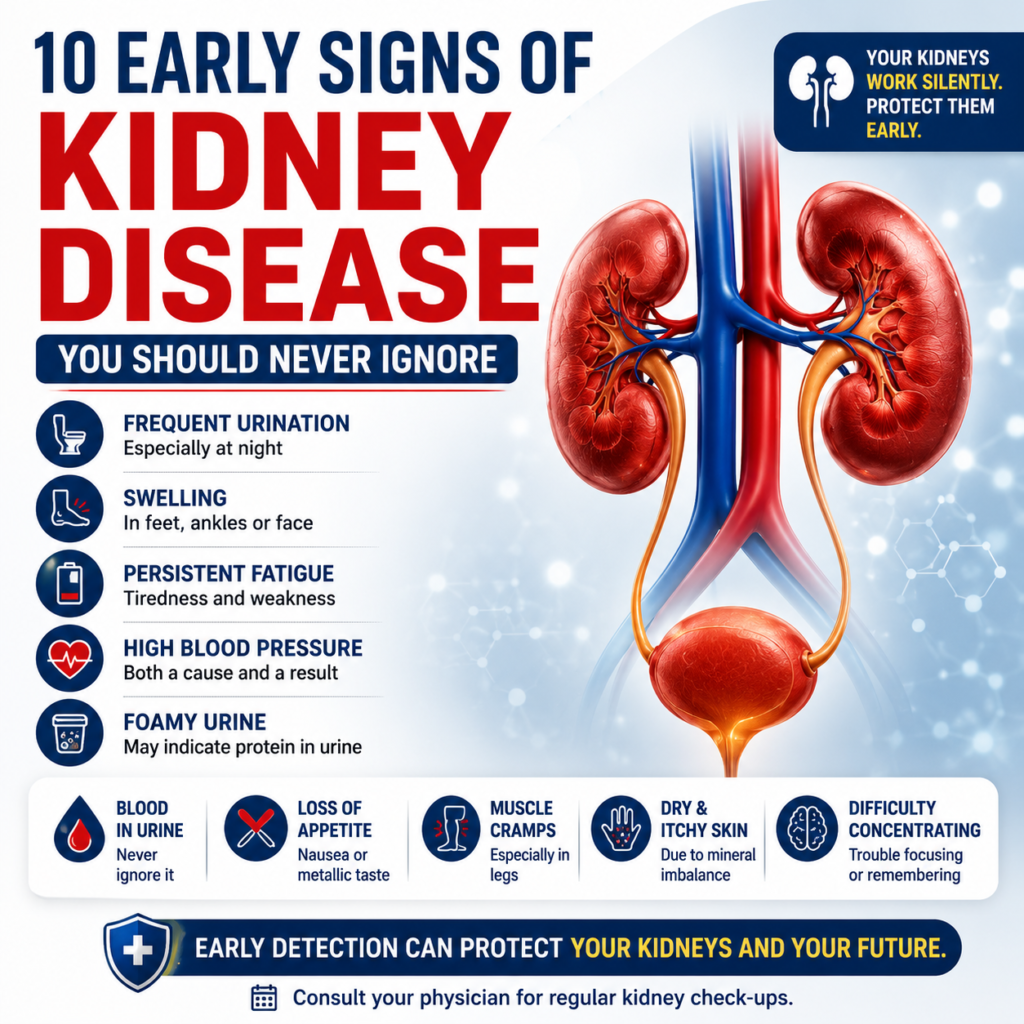
10 Early Signs of Kidney Disease
1. Frequent Urination
Needing to urinate more often, especially at night, may be an early sign that your kidneys are not functioning properly.
Related Reading:
👉 Why Am I Urinating Frequently? 8 Common Causes You Shouldn’t Ignore
https://drdileepverma.com/frequent-urination-causes/
2. Swelling in the Feet and Ankles
When the kidneys cannot remove excess fluid efficiently, swelling (edema) may develop in the feet, ankles, hands, or face.
3. Persistent Fatigue
Damaged kidneys may lead to anemia and the buildup of waste products in the body, causing ongoing tiredness and weakness.
4. High Blood Pressure
High blood pressure can both cause and result from kidney disease. Monitoring blood pressure regularly is essential for protecting kidney health.
Related Reading:
👉 7 Warning Signs Your Blood Pressure May Be Too High
https://drdileepverma.com/warning-signs-high-blood-pressure/
5. Foamy or Frothy Urine
Excessive foam in urine may indicate the presence of protein, which can be an early sign of kidney damage.
6. Blood in the Urine
Blood in the urine should never be ignored. It may be caused by kidney disease, infections, kidney stones, or other urinary tract conditions.
7. Loss of Appetite
As waste products accumulate in the body, some people experience reduced appetite, nausea, or an unpleasant metallic taste in the mouth.
8. Muscle Cramps
Electrolyte imbalances caused by reduced kidney function may lead to frequent muscle cramps, particularly in the legs.
9. Dry and Itchy Skin
Healthy kidneys help maintain mineral balance. Kidney disease may lead to dry, itchy skin due to changes in mineral and fluid levels.
10. Difficulty Concentrating
A reduced oxygen supply caused by anemia or toxin buildup may affect memory, concentration, and mental clarity.
Who Is at Higher Risk?
You may have a higher risk of developing kidney disease if you:
- Have diabetes
- Have high blood pressure
- Are overweight or obese
- Have a family history of kidney disease
- Smoke
- Are over 60 years of age
According to the National Kidney Foundation, diabetes and hypertension are among the leading causes of chronic kidney disease.
When Should You Consult a Physician?
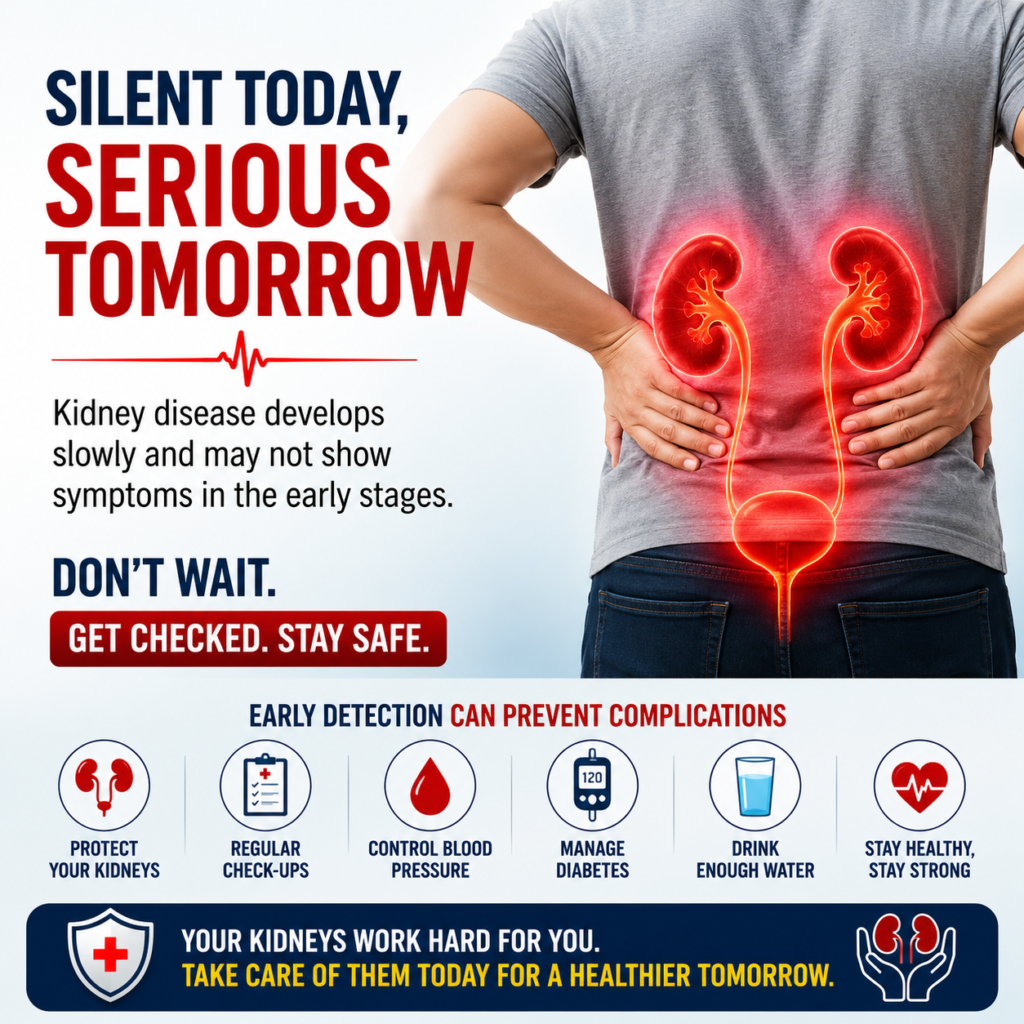
You should seek medical advice if you notice:
- Persistent swelling
- Blood in the urine
- Frequent urination
- Foamy urine
- Unexplained fatigue
- High blood pressure
- Ongoing loss of appetite
As a physician in Lucknow, I encourage regular kidney health screening, especially for people with diabetes or hypertension. Simple blood and urine tests can help detect kidney disease before serious complications develop.
The National Institute of Diabetes and Digestive and Kidney Diseases (NIDDK) recommends regular kidney function testing for people at increased risk.
Frequently Asked Questions
What are the first signs of kidney disease?
Early symptoms may include frequent urination, swelling in the feet, persistent fatigue, foamy urine, high blood pressure, and loss of appetite.
Can kidney disease be prevented?
In many cases, yes. Controlling diabetes, maintaining healthy blood pressure, staying hydrated, eating a balanced diet, avoiding smoking, and regular health check-ups can help reduce the risk.
Is kidney disease reversible?
Some kidney conditions can be treated successfully if detected early. Chronic kidney disease is usually not reversible, but early diagnosis can slow its progression.
Which tests detect kidney disease?
Doctors commonly recommend:
- Serum Creatinine
- eGFR (Estimated Glomerular Filtration Rate)
- Urine Routine Examination
- Urine Albumin Test
- Kidney Ultrasound (when required)
Final Thoughts
Kidney disease often develops silently, making regular health check-ups extremely important. Symptoms such as frequent urination, swelling, foamy urine, fatigue, or uncontrolled blood pressure should never be ignored.
If you are searching for the Best Physician in Lucknow for the evaluation of kidney disease, diabetes, hypertension, or other lifestyle-related conditions, timely consultation can help identify the underlying cause and protect your long-term kidney health.
Early diagnosis, healthy lifestyle choices, and regular monitoring remain the best ways to preserve kidney function and prevent complications.