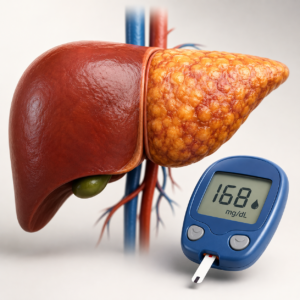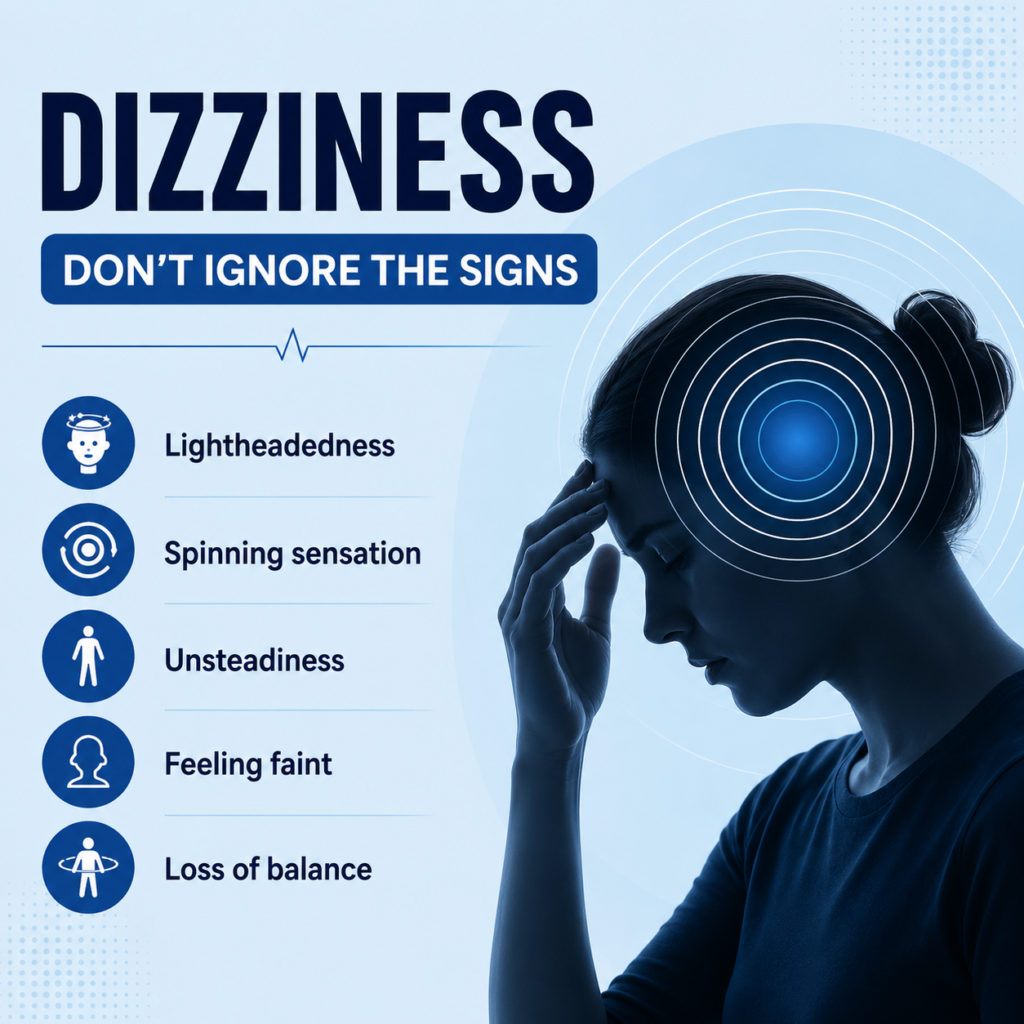
Feeling dizzy once in a while may not be a cause for concern. However, if dizziness occurs repeatedly or starts interfering with your daily activities, it should not be ignored. As a physician, I often see patients who assume dizziness is simply due to stress or lack of sleep, but in many cases, it may be a sign of an underlying health condition that requires medical attention.. If you are looking for the best physician in Lucknow for the evaluation of lifestyle-related diseases such as fatty liver, diabetes, or hypertension, understanding these early warning signs is the first step toward protecting your health.
What Causes Frequent Dizziness?
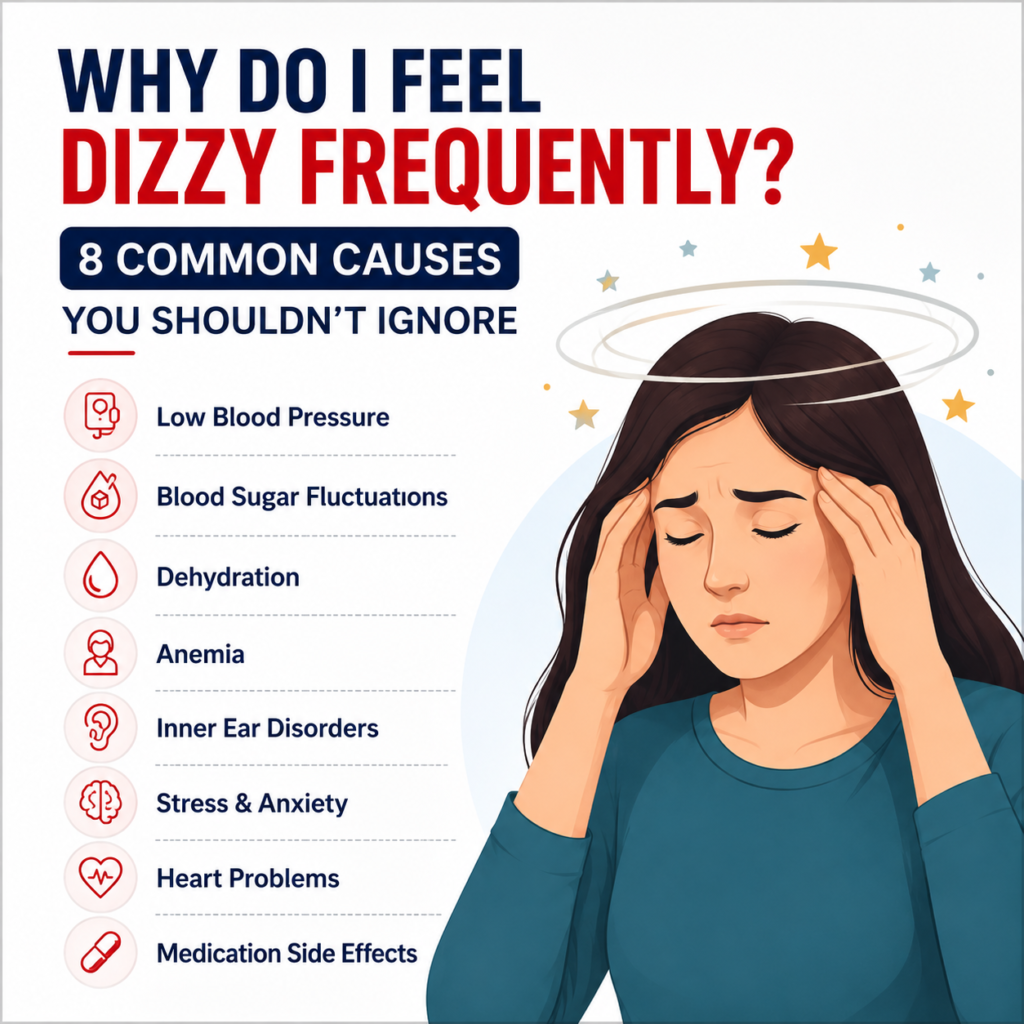
Dizziness is a symptom, not a disease. It can occur for many different reasons, ranging from dehydration to more serious medical conditions.
Here are some of the most common causes:
1. Low Blood Pressure
A sudden drop in blood pressure can reduce blood flow to the brain, causing lightheadedness or dizziness, especially when standing up quickly.
2. Blood Sugar Fluctuations
Both low and high blood sugar levels can cause dizziness. This is particularly common in people with diabetes or prediabetes.
3. Dehydration
Not drinking enough water, especially during hot weather or illness, can lead to dehydration and dizziness.
4. Anemia
Low hemoglobin levels reduce the oxygen supply to the body’s tissues, often causing fatigue, weakness, and dizziness.
5. Inner Ear Disorders
The inner ear helps maintain balance. Conditions such as vertigo or other ear disorders can create a spinning sensation and imbalance.
6. Stress and Anxiety
Mental stress and anxiety can trigger dizziness by affecting breathing patterns, heart rate, and blood pressure.
7. Heart Problems
In some cases, dizziness may be related to heart rhythm disorders or reduced blood flow. If dizziness occurs with chest pain or shortness of breath, seek immediate medical attention.
8. Medication Side Effects
Some medicines used for blood pressure, diabetes, or anxiety may cause dizziness as a side effect. Never stop medication without consulting your doctor.
Why Early Medical Evaluation Matters
Many people ignore symptoms like fatigue, abdominal discomfort, or unexplained weight gain until they become severe. However, early medical evaluation can help identify fatty liver before it progresses to more serious liver damage. If you are searching for the best physician in Lucknow for a comprehensive health assessment, timely consultation can help detect fatty liver and other lifestyle-related conditions at an early stage.
When Should You See a Physician?
Occasional dizziness is common, but you should seek medical advice if it:
- Happens frequently
- Is associated with fainting
- Causes difficulty walking
- Occurs with chest pain or severe headache
- Is accompanied by vision changes or weakness
Early evaluation helps identify the underlying cause and prevents complications.
How Can You Reduce Dizziness?
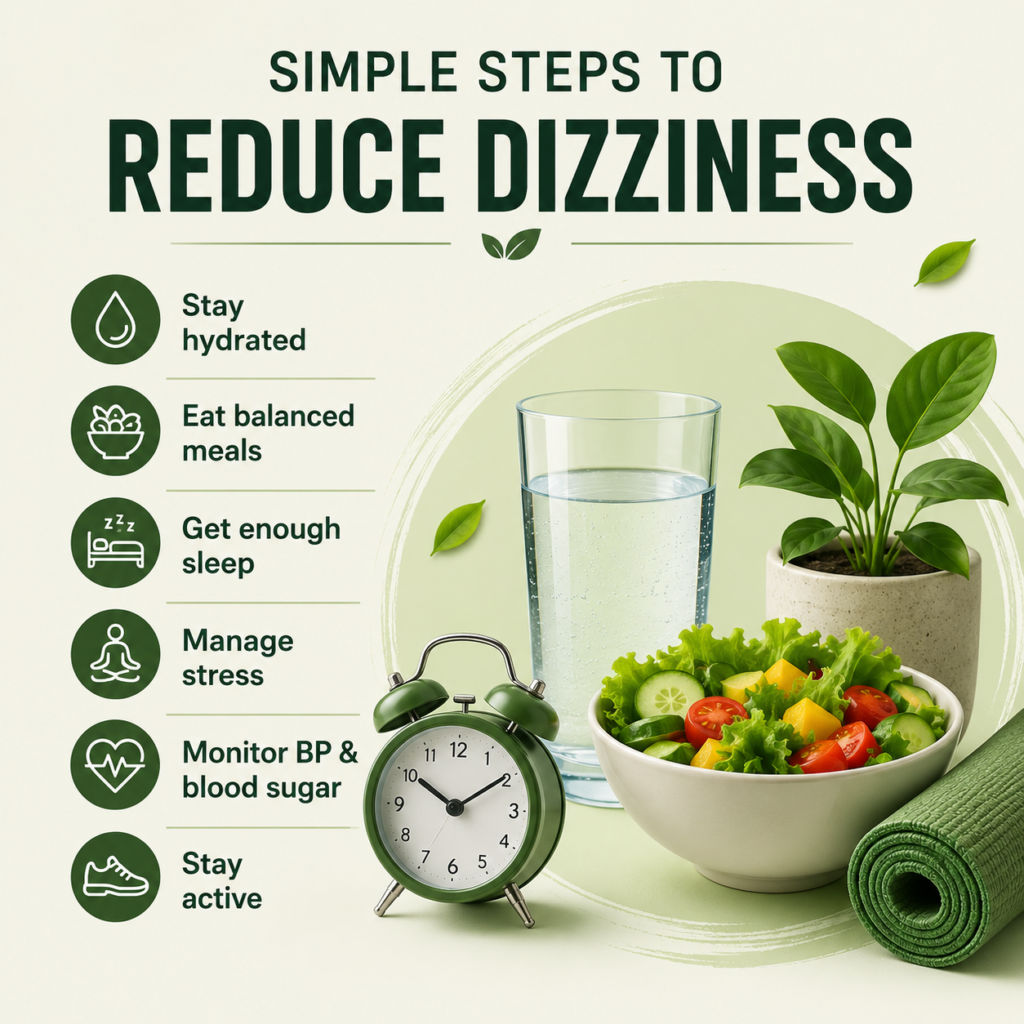
Simple lifestyle changes may help reduce dizziness:
- Stay well hydrated.
- Eat balanced meals and avoid skipping breakfast.
- Monitor your blood sugar if you have diabetes.
- Check your blood pressure regularly.
- Get adequate sleep.
- Stand up slowly after sitting or lying down.
If symptoms continue despite these measures, a detailed medical evaluation is recommended.
According to the World Health Organization (WHO), maintaining cardiovascular health through regular physical activity, a balanced diet, and managing risk factors such as high blood pressure and diabetes can help reduce the risk of many conditions that may contribute to dizziness.
The American Heart Association (AHA) recommends regular blood pressure monitoring, as both high and low blood pressure can contribute to symptoms such as dizziness and lightheadedness.
Final Thoughts
Frequent dizziness should never be ignored, as it may be your body’s way of signaling an underlying health issue. The exact cause can only be determined after a proper medical evaluation, which may include checking your blood pressure, blood sugar, hemoglobin, and other relevant investigations.
As a physician, I always encourage patients to seek timely medical advice rather than self-diagnosing. Early diagnosis often leads to better treatment outcomes and helps prevent more serious health problems in the future.