Fatty liver disease is one of the most common health conditions I encounter in my clinical practice. Many patients are surprised when routine blood tests or an ultrasound reveal fatty liver because they often have few or no symptoms in the early stages.
As a physician in Lucknow, I frequently see fatty liver associated with diabetes, obesity, high cholesterol, and sedentary lifestyles. Unfortunately, ignoring the early warning signs can increase the risk of liver inflammation, fibrosis, and other serious health complications.
Understanding these symptoms can help you take timely action and protect your long-term health.
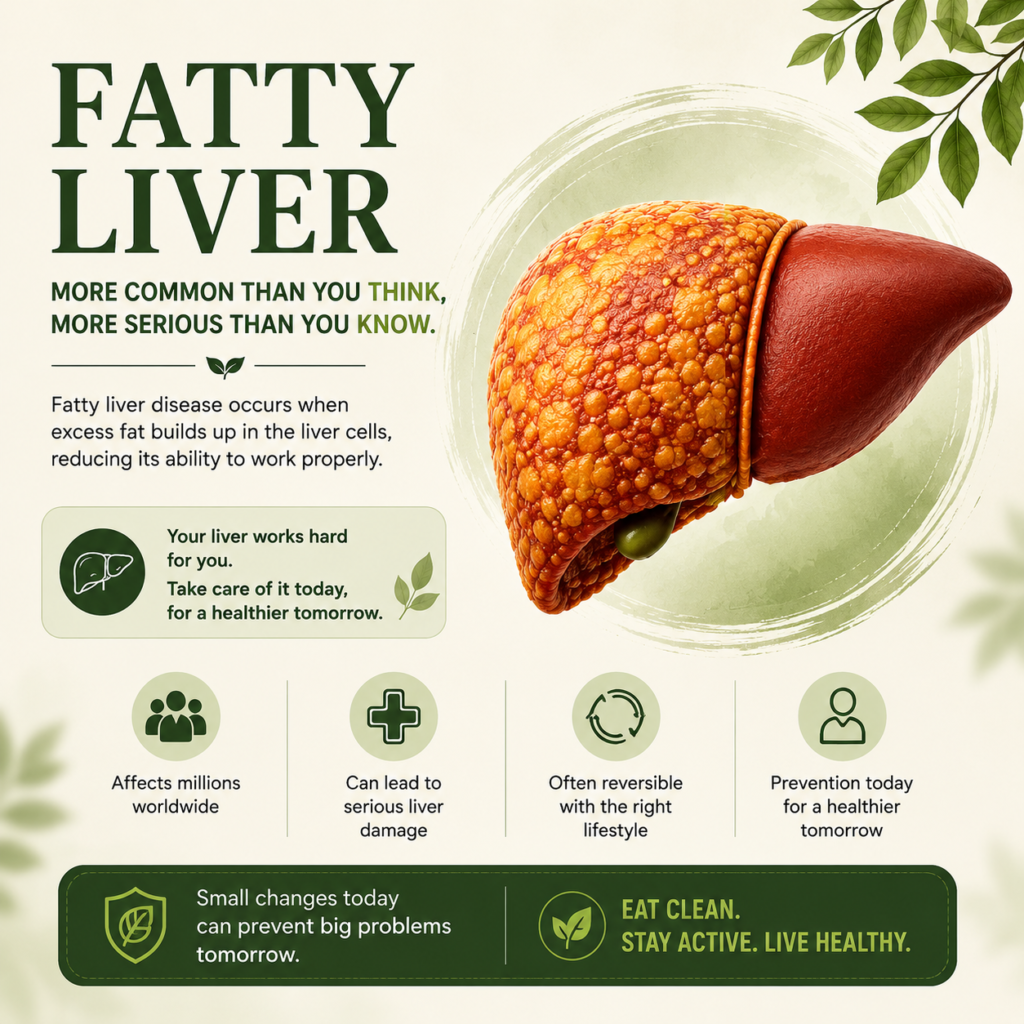
What Is Fatty Liver Disease?
Fatty liver disease occurs when excess fat accumulates in liver cells. While a small amount of fat in the liver is normal, excessive fat can affect liver function and increase the risk of liver damage over time.
The most common type is Non-Alcoholic Fatty Liver Disease (NAFLD), which is often linked to:
- Obesity
- Type 2 Diabetes
- High Cholesterol
- High Blood Pressure
- Insulin Resistance
- Lack of Physical Activity
According to the American Liver Foundation, fatty liver disease affects millions of people worldwide and is becoming increasingly common.
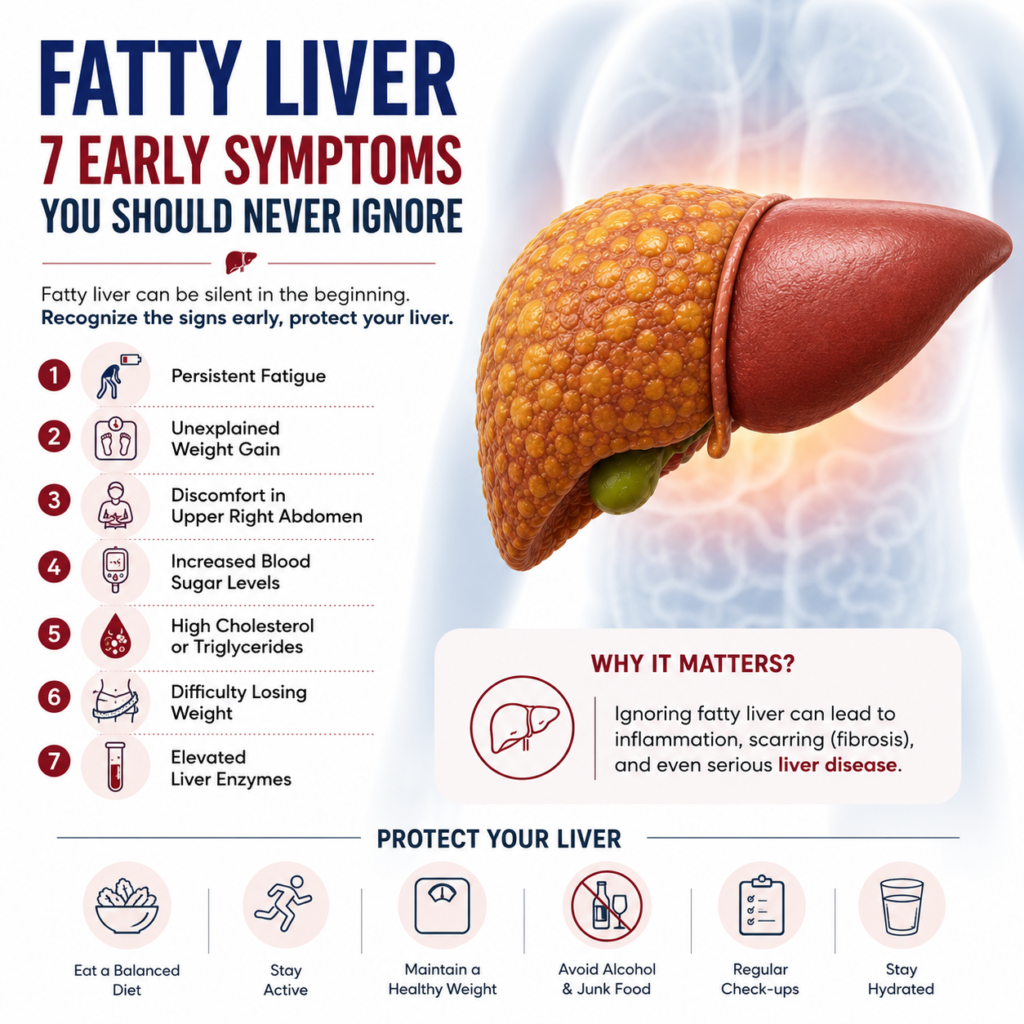
1. Persistent Fatigue
One of the earliest symptoms of fatty liver disease is ongoing fatigue.
Many patients describe feeling tired throughout the day despite getting adequate sleep. While fatigue can have multiple causes, persistent low energy levels should not be ignored, especially if you have diabetes, obesity, or metabolic syndrome.
2. Discomfort in the Upper Right Abdomen
The liver is located on the upper right side of the abdomen.
As fatty liver progresses, some people may experience mild discomfort, fullness, or a dull ache in this area. Although the pain is usually not severe, recurring symptoms should be evaluated by a physician.
3. Unexplained Weight Gain
Fatty liver disease and weight gain often go hand in hand.
Excess body fat, particularly around the abdomen, increases the risk of liver fat accumulation. If you are gaining weight without significant changes in your diet or activity level, it may be worth investigating your liver health.
4. Elevated Blood Sugar Levels
There is a strong connection between fatty liver disease and diabetes.
When fat builds up in the liver, insulin resistance often develops. This can lead to elevated fasting blood sugar levels and increase the risk of prediabetes and type 2 diabetes.
Many patients diagnosed with fatty liver also have abnormal blood sugar levels.
Related Reading:
👉 Why Is My Fasting Blood Sugar High in the Morning?
5. High Cholesterol and Triglycerides
Fatty liver disease is frequently associated with abnormal cholesterol levels.
Elevated triglycerides and LDL cholesterol can worsen liver fat accumulation and increase the risk of heart disease.
Regular health check-ups and blood tests are important for early detection.
6. Difficulty Losing Weight
Many patients tell me they are following a healthy diet and exercising regularly but still struggle to lose weight.
Fatty liver disease can affect metabolism and insulin sensitivity, making weight management more challenging.
If weight loss efforts are not producing expected results, a comprehensive medical evaluation may be necessary.
7. Elevated Liver Enzymes
In many cases, fatty liver disease causes no obvious symptoms.
Instead, the first warning sign appears during routine blood investigations showing elevated liver enzymes such as ALT and AST.
This is why annual health check-ups are essential, particularly for individuals with diabetes, obesity, or hypertension.
Who Is Most at Risk of Fatty Liver Disease?
You may be at higher risk if you:
- Are overweight or obese
- Have diabetes or prediabetes
- Have high blood pressure
- Have high cholesterol
- Lead a sedentary lifestyle
- Have insulin resistance
- Consume alcohol regularly
The presence of multiple risk factors significantly increases the likelihood of developing fatty liver disease.
Can Fatty Liver Be Reversed?
The good news is that fatty liver disease can often be reversed when detected early.
The most effective strategies include:
- Maintaining a healthy weight
- Following a balanced diet
- Exercising regularly
- Controlling blood sugar levels
- Improving sleep quality
- Managing cholesterol levels
- Avoiding excessive alcohol consumption
According to the World Health Organization (WHO), maintaining a healthy weight and staying physically active are among the most effective ways to reduce the risk of metabolic diseases.
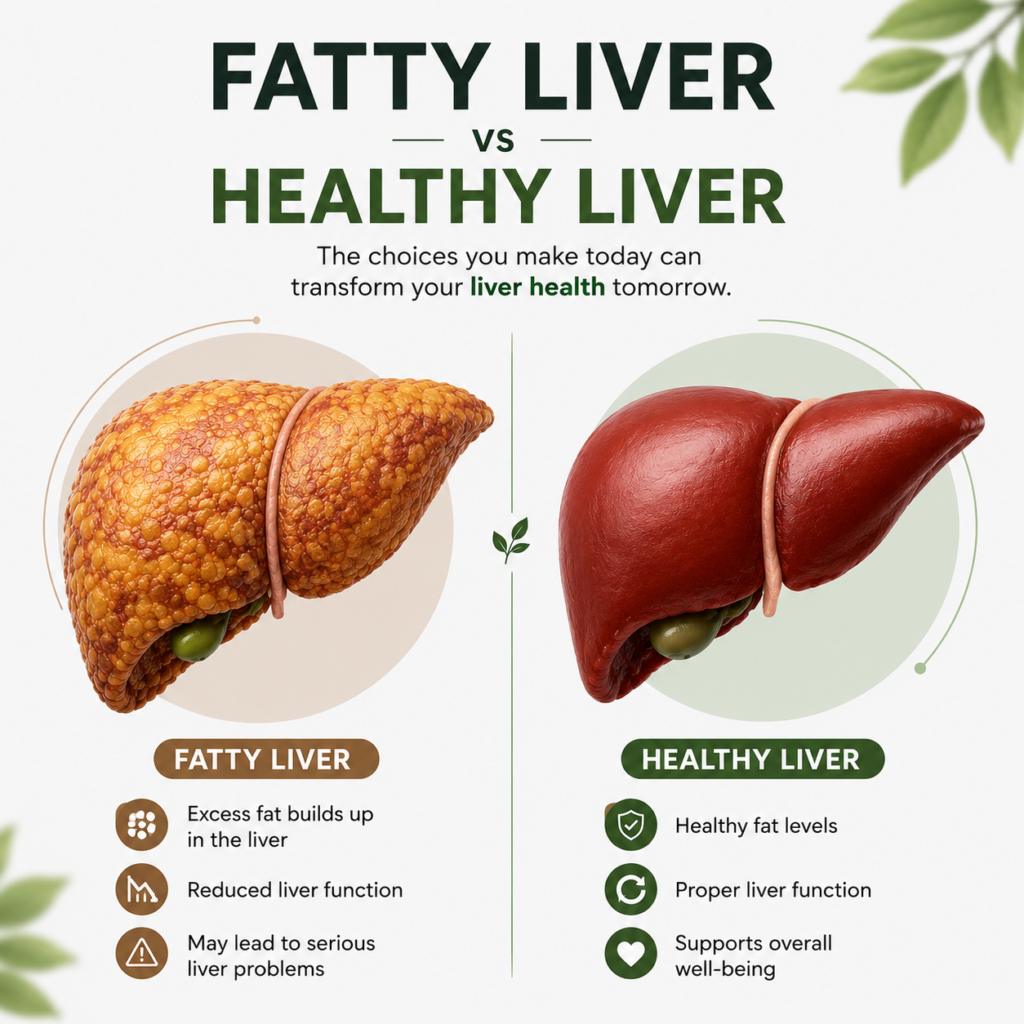
When Should You Consult a Physician?
You should seek medical advice if you experience:
- Persistent fatigue
- Unexplained weight gain
- Abdominal discomfort
- Elevated blood sugar levels
- High cholesterol
- Abnormal liver function tests
Early diagnosis can help prevent complications such as liver fibrosis, cirrhosis, and cardiovascular disease.
If you are searching for the best physician in Lucknow for evaluation of fatty liver disease, diabetes, hypertension, or other lifestyle-related conditions, timely consultation can help identify underlying causes and guide appropriate treatment.
Final Thoughts
Fatty liver disease is often called a silent condition because symptoms can be mild or completely absent during the early stages.
As a physician, my advice is simple: do not ignore persistent fatigue, unexplained weight gain, elevated blood sugar levels, or abnormal blood test results. Early detection and lifestyle changes can significantly improve liver health and reduce the risk of long-term complications.
Taking action today can help protect your liver and overall health for years to come.
About Dr. Dileep Verma
Dr. Dileep Verma is a physician and diabetes specialist in Lucknow with expertise in the management of diabetes, hypertension, thyroid disorders, fatty liver disease, obesity, and lifestyle-related health conditions.Is Your Liver Trying to Warn You?
As a physician, I often meet patients who are surprised to learn they have fatty liver disease. Many assume liver problems only affect people who consume alcohol. However, fatty liver disease is increasingly common among individuals with obesity, diabetes, high cholesterol, and sedentary lifestyles.
One of the biggest challenges with fatty liver disease is that it often develops silently. Many people have no obvious symptoms until the condition has progressed.
Recognizing the early warning signs can help you seek medical attention sooner and prevent long-term liver damage.