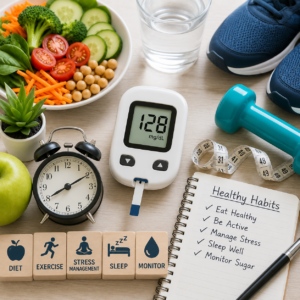
Winter brings changes in temperature, eating habits and daily routines. For people living with diabetes, these changes can make it more challenging to maintain consistent blood sugar levels and follow their usual health routines.
Cold weather does not automatically increase blood sugar in everyone. However, reduced physical activity, changes in food intake, infections and disrupted routines can affect diabetes management.
Whether you live in Lucknow or elsewhere, taking a few extra precautions during winter can help you manage diabetes more effectively.
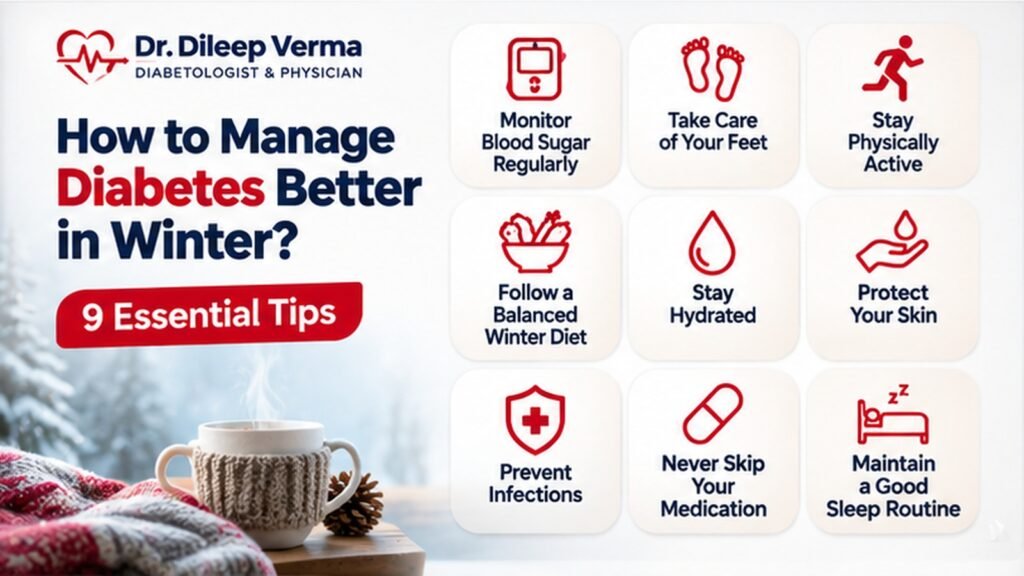
Here are nine essential winter care tips every person with diabetes should know.
1. Monitor Your Blood Sugar Regularly
During winter, changes in physical activity, diet and daily routines may affect blood glucose levels.
Do not assume your blood sugar is stable simply because you feel fine.
- Check your blood glucose according to your doctor’s recommendations.
- Maintain a record of your readings.
- Pay attention to repeated high or low readings.
- Discuss unusual fluctuations with your healthcare professional.
Regular monitoring helps you understand how your body responds to seasonal changes.
2. Take Special Care of Your Feet
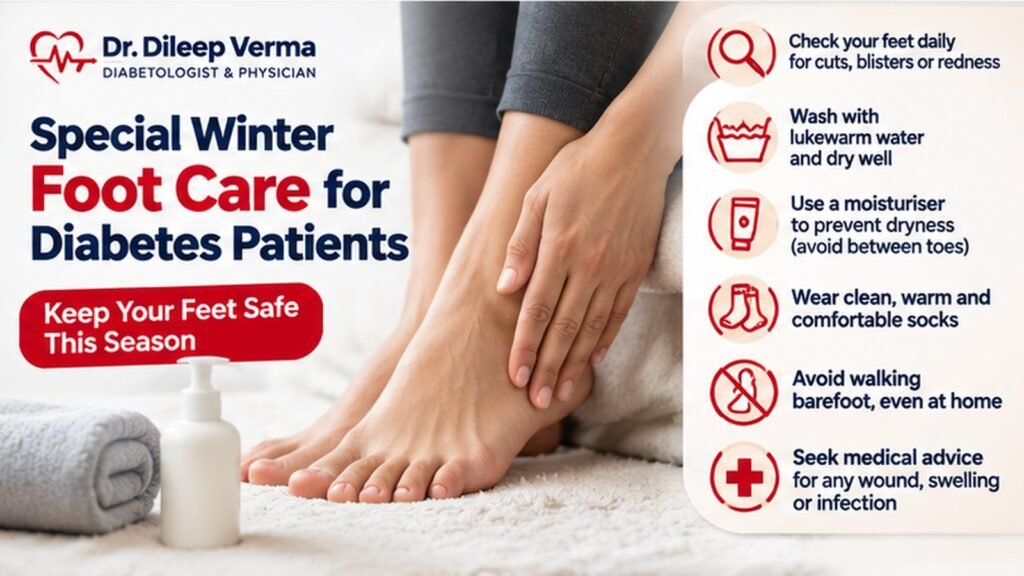
Diabetic foot care is particularly important because diabetes can affect nerve sensation and blood circulation.
Cold weather can also make the skin dry, increasing the risk of cracks and wounds.
Follow these precautions:
- Check your feet daily for cuts, blisters, swelling or redness.
- Wash your feet with lukewarm water and dry them carefully.
- Apply moisturiser to prevent dryness, but avoid applying it between the toes.
- Wear comfortable, properly fitting socks and footwear.
- Avoid walking barefoot, even indoors.
If you notice a wound, infection or unusual swelling, seek medical advice promptly.
3. Stay Physically Active
Cold mornings can make people less motivated to exercise. However, reduced physical activity can affect blood glucose management.
Try maintaining a regular indoor exercise routine.
Suitable activities may include:
- Walking indoors.
- Gentle stretching.
- Light yoga, if appropriate.
- Simple home-based exercises.
Choose activities according to your fitness level and medical condition. If you use insulin or medicines that can cause low blood sugar, ask your doctor about exercise-related precautions.
4. Follow a Balanced Winter Diet
Winter often brings seasonal sweets, fried snacks and carbohydrate-rich foods.
People with diabetes should pay attention to food portions and their overall meal composition.
Include suitable portions of:
- Green leafy vegetables.
- Whole grains.
- Pulses and legumes.
- Protein-rich foods.
- Seasonal vegetables.
Be mindful of sweets, sugary drinks and large portions of refined carbohydrates. Follow your individualised diet plan rather than making sudden dietary changes.
5. Stay Hydrated Even When You Feel Less Thirsty
People often drink less water during winter because they may not feel as thirsty as they do in summer.
However, adequate fluid intake remains important.
Drink water regularly throughout the day, unless your doctor has advised fluid restriction because of a heart or kidney condition.
Do not rely excessively on sweetened tea, packaged juices or sugary beverages for hydration.
6. Protect Your Skin From Dryness
Dry winter skin can become cracked, particularly around the feet and heels.
For people with diabetes, unnoticed skin injuries can become a concern, especially when nerve sensation is reduced.
Use a suitable moisturiser, avoid very hot water and inspect your skin regularly.
If you notice persistent cracks, wounds, redness or signs of infection, consult a healthcare professional instead of relying only on home remedies.
7. Take Extra Precautions Against Infections
Respiratory infections and seasonal illnesses can affect blood glucose levels and make diabetes management more difficult.
People with diabetes should discuss recommended vaccinations with their healthcare professional.
Wash your hands regularly, avoid close contact with people who are unwell and seek medical advice if you develop fever, persistent cough or other concerning symptoms.
Follow your doctor’s sick-day instructions if you become ill, especially if you use insulin or other glucose-lowering medicines.
8. Never Skip or Change Your Diabetes Medication
Changes in routine during winter can sometimes lead people to miss medication doses.
Continue taking prescribed diabetes medicines and insulin according to your treatment plan.
A few important precautions:
- Do not stop medication because your glucose readings improve.
- Do not independently increase or reduce doses.
- Follow the manufacturer’s storage instructions for insulin.
- Protect insulin from freezing and excessive heat.
- Ask your pharmacist or doctor if you are unsure about medication storage.
If you experience repeated low or high blood sugar readings, discuss them with your doctor.
9. Maintain a Regular Sleep Schedule
Shorter days, changes in routine and reduced activity can affect sleep patterns.
Poor sleep may influence blood glucose regulation and overall well-being.
Try maintaining consistent sleeping hours, limiting screen exposure before bedtime and avoiding excessive caffeine late in the day.
If sleep problems continue, seek medical advice.
References-
https://diabetes.org/health-wellness
https://www.cdc.gov/diabetes/index.html
https://www.niddk.nih.gov/
When Should You Consult a Diabetologist?
People with diabetes should not ignore persistent changes in blood sugar readings, recurring infections, foot wounds or unexplained weakness.
Seek urgent medical attention if you experience severe hypoglycaemia, confusion, seizures, persistent vomiting, abdominal pain, rapid or deep breathing or unusual drowsiness.
Regular consultations are particularly important for people who also have kidney disease, heart conditions or other diabetes-related complications.
Consult a Diabetes Doctor in Lucknow for Personalised Guidance
Managing diabetes during winter requires more than simply avoiding sweets. Blood glucose monitoring, foot care, balanced nutrition, regular physical activity and appropriate medication use all play an important role.
If you are searching for a Best Diabetologist in Lucknow or a qualified Diabetes Doctor in Lucknow, consider the doctor’s medical qualifications, clinical experience and approach to long-term diabetes management.
Dr. Dileep Verma, MBBS, MD (Internal Medicine), Fellowship in Diabetes Mellitus (UK), is a Diabetologist & Physician at Safal Clinic & Wellness Center, Lucknow. With 24 years of medical experience, he provides consultations for diabetes management and general medical concerns.
A personalised consultation can help you understand your blood glucose readings, review your treatment and plan appropriate precautions for the winter season.
Stay Healthy and Manage Diabetes Better This Winter
Winter should not interrupt your diabetes management routine. Small but consistent habits can help you maintain better control and reduce avoidable health risks.
Monitor your blood sugar, protect your feet, stay active, eat balanced meals and follow your prescribed treatment.
Remember, diabetes management is individual. Consult your healthcare professional before making changes to your diet, exercise routine or medication.
This article is intended for general health education and does not replace individual medical advice.